The use of reefers as mobile refrigerated warehouses
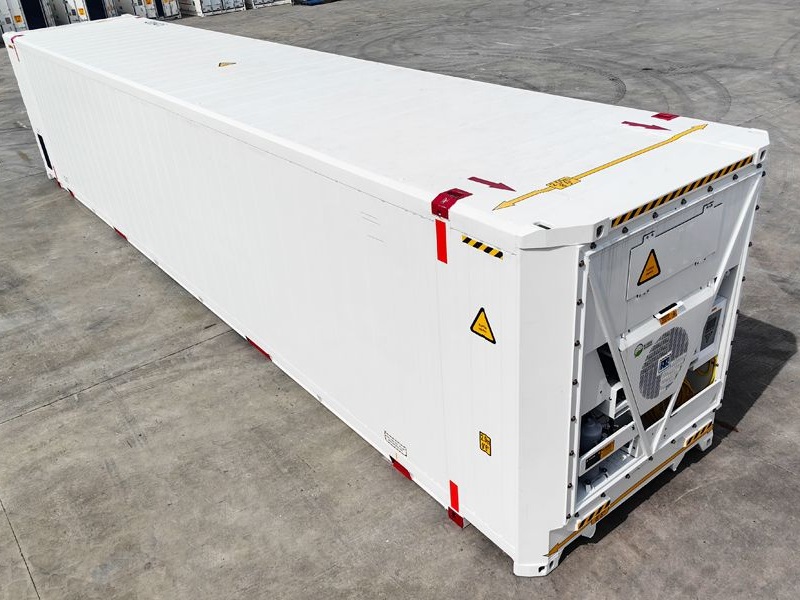
For storing products with controlled temperature conditions, it is not always cost-effective for businesses to build a stationary refrigerated warehouse. A more flexible and economical solution can be reefer containers used as mobile refrigerated warehouses. GCS experts explain how to use a reefer container as a warehouse and the advantages of such a solution.
Why is a containerized refrigerated warehouse more profitable than a stationary one?
Refrigerated containers are designed for transporting and storing perishable products in the agricultural sector, logistics, food industry, and pharmaceuticals. A mobile refrigerated warehouse can be installed and put into operation much faster than a stationary facility, without the need for capital construction.
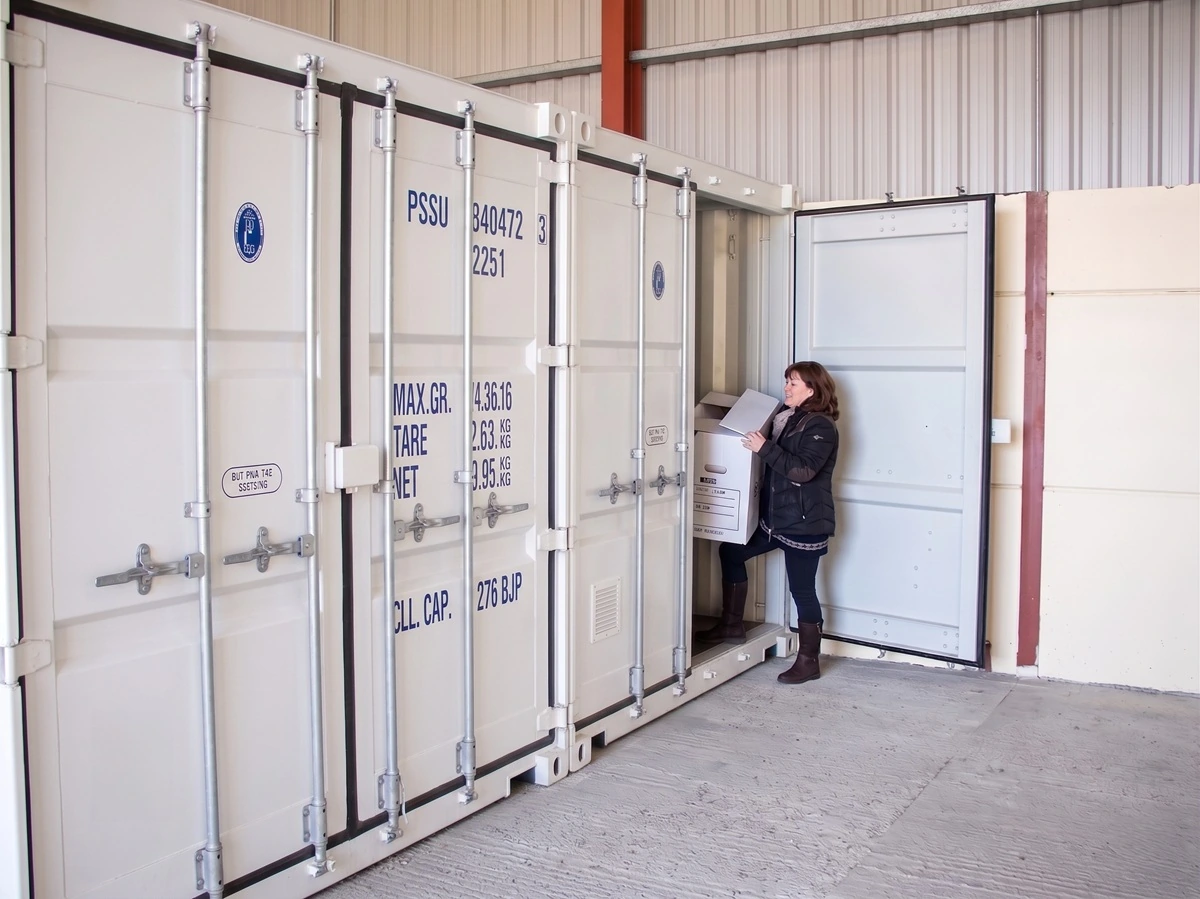
If necessary, a reefer container with cargo can be transported by sea, rail, or road. Containers are convenient for loading and unloading, featuring high capacity and energy efficiency. Depending on the model, a reefer container consumes an average of 2-5 kWh of electricity.
What is the temperature inside a reefer container? Depending on the refrigeration unit model, transporting and storing products in a reefer container can be carried out in a temperature range from -60 to +30 °C.
Several examples of how to use a reefer container for business:
- Seasonal storage of harvest at agricultural enterprises;
- Organization of a temporary cold storage warehouse near a product processing or loading site;
- Use as an additional freezer in production;
- Creation of a backup chamber during peak loads;
- Operation as a stationary refrigerated warehouse when connected to an industrial power grid;
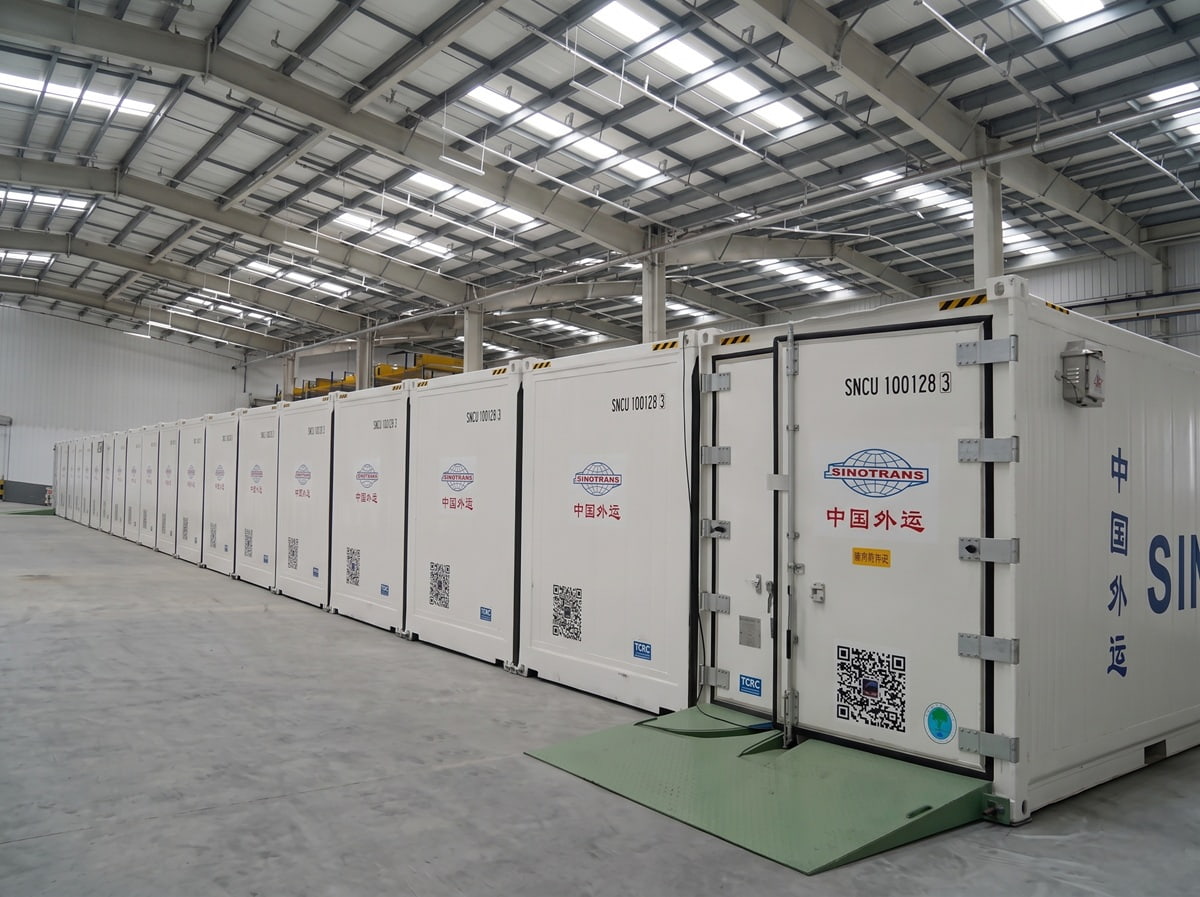
- Creation of multi-warehouse facilities from reefer containers with different temperature regimes.
For seasonal businesses, renting reefer containers as a warehouse can be a profitable solution without the need for capital investment in the construction of a refrigeration complex.
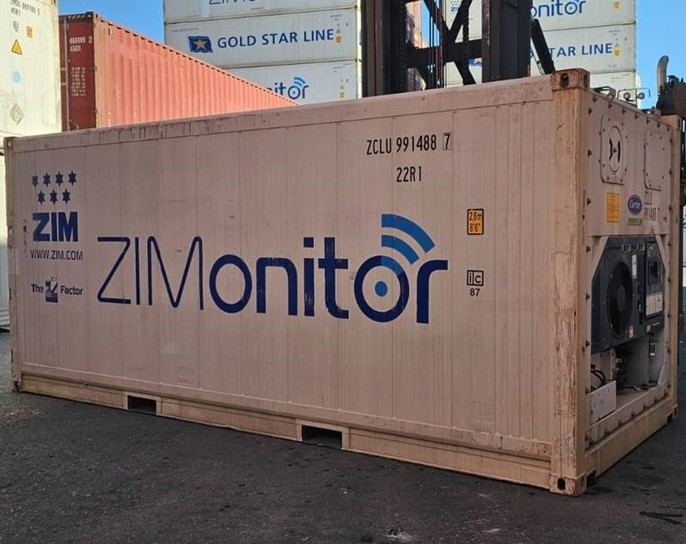
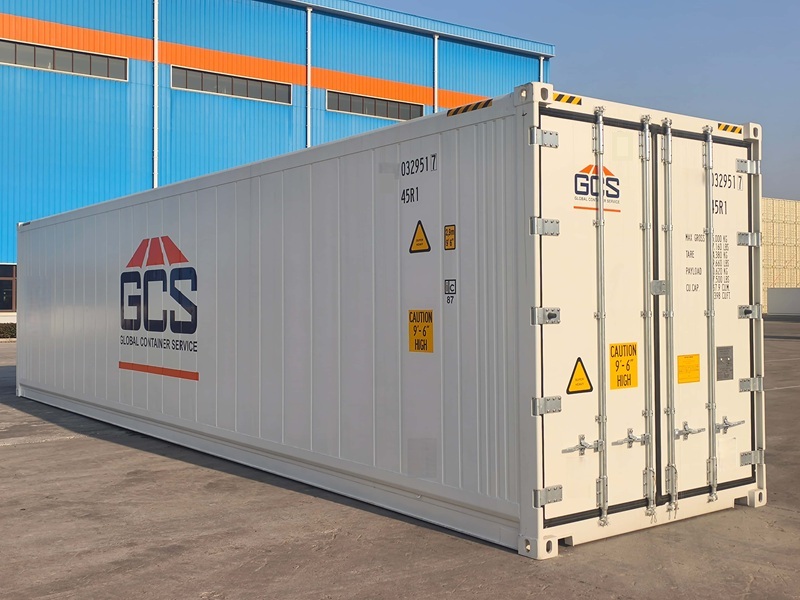
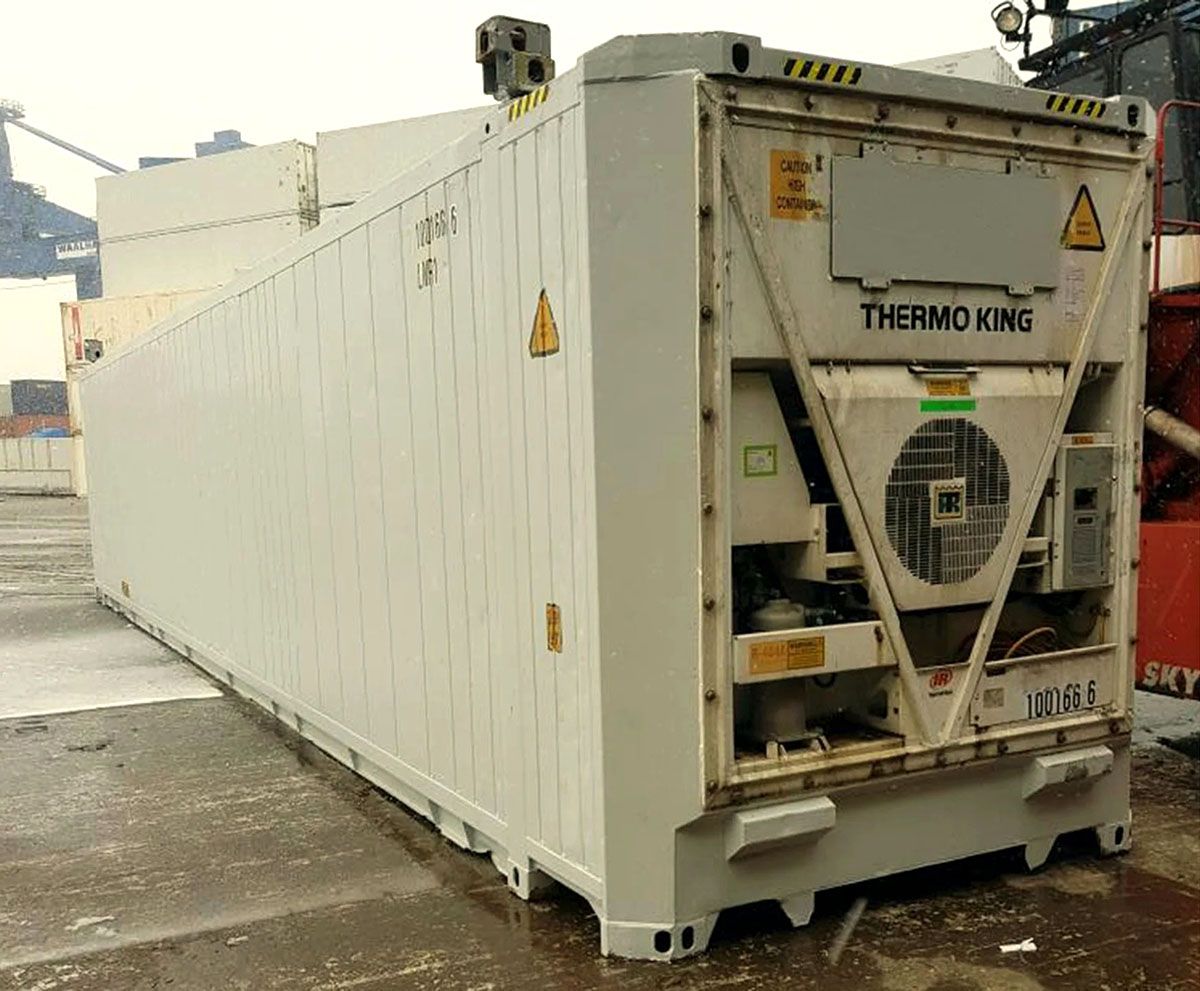
What can be stored in temperature-controlled warehouses made from reefer containers?
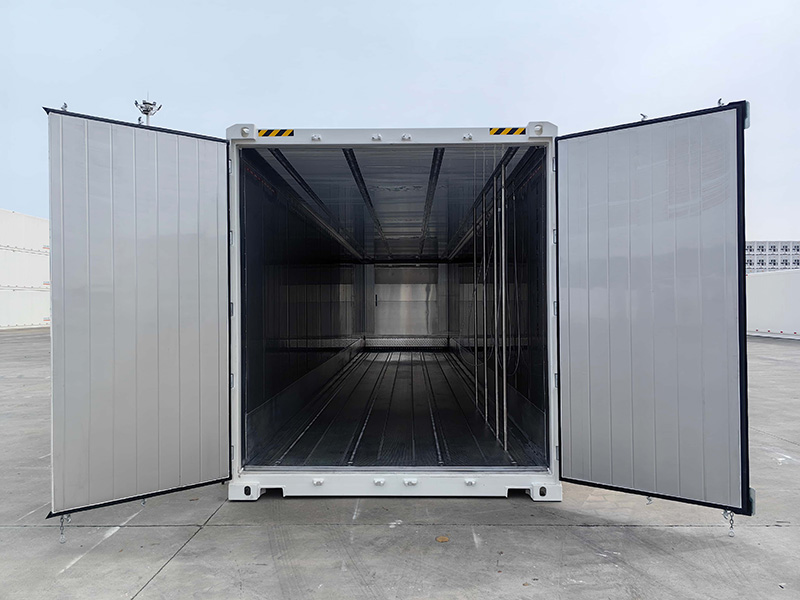
Before considering what refrigerated containers are used for, let's understand how a reefer container works. Inside the cargo compartment, a universal refrigeration unit is installed at one end, which can operate in cooling or heating mode. Cold or warm air comes from under the T-shaped floor, is evenly distributed throughout the entire volume, and absorbs or releases heat. A controller is responsible for maintaining the temperature regime, reading sensor data and regulating the operation of the compressor, fans, and valves.
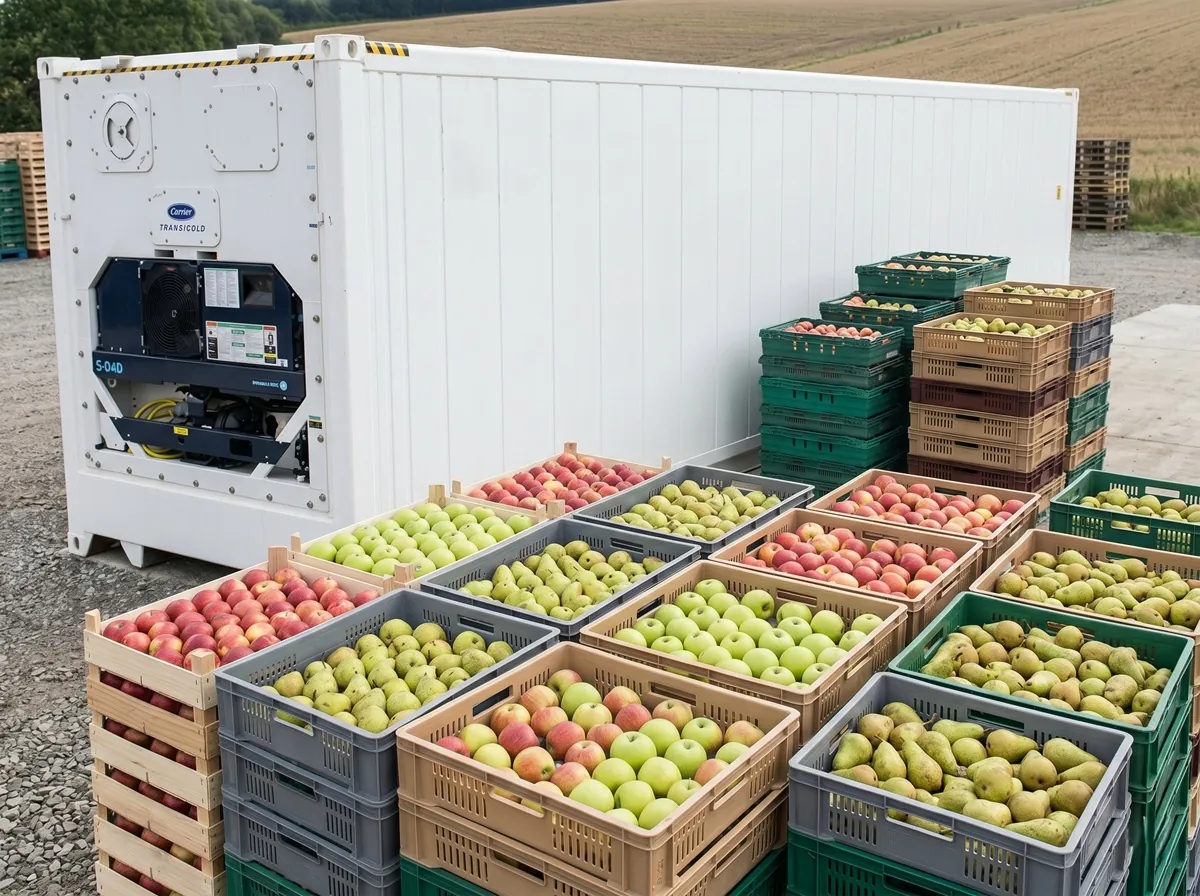
How is a reefer container connected? The refrigerated container is connected to a three-phase 380 V (50 Hz) power supply via a power cable or a circuit breaker.
Such temperature-controlled warehouses are suitable for storing various products:
- Berries, fruits, and vegetables;
- Frozen ready meals;
- Meat and fish;
- Dairy products;
- Flowers;
- Medicines;
- Food ingredients and raw materials.
For example, a berry storage warehouse allows for rapid cooling of products immediately after harvesting strawberries, raspberries, and blueberries.
How to properly stack products in a marine refrigerated container?
Following certain rules helps maintain a stable temperature inside the container-warehouse and reduces the risk of product spoilage:
- The refrigeration unit must be turned off before loading to prevent moisture from condensing on the evaporator;
- It is recommended to load products with identical storage conditions into the container;
- The cargo temperature should be as close as possible to the set temperature regime;
- Leave a ventilation gap between the products and the swing doors, as well as the wall with the refrigeration unit — at least 20 cm;
- Do not block the air channels of the T-shaped floor;
- The container must be loaded in height up to the special red line on the wall.
Read more about the types of refrigeration units and features of equipment from different brands in the article «Overview of Refrigerated Container Manufacturers».
Advantages of a refrigerated warehouse made from a container
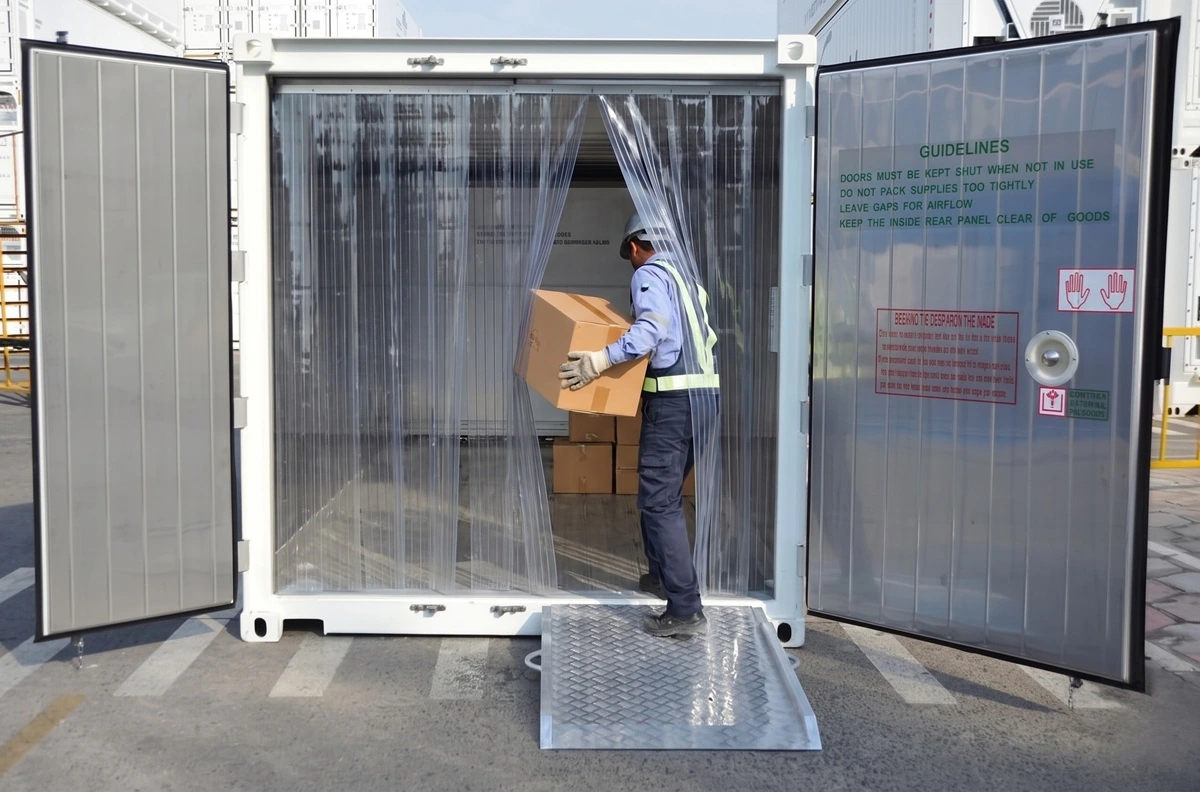 Using a reefer container as a warehouse has several advantages over stationary facilities:
- Rapid deployment without capital construction;
- Operational increase and decrease of refrigerated warehouse space depending on seasonality, which helps reduce costs;
- Quick organization of storage areas with different temperature regimes;
- Autonomous product storage near the production or shipping site;
- Mobility and the ability to relocate the container;
Another advantage is the ability to quickly scale the warehouse facility by installing several containers or entire temperature-controlled complexes made from reefer containers.
Conversion of refrigerated containers and solutions from GCS
GCS (Global Container Service) provides comprehensive modernization of reefer containers according to business needs, including the conversion and adaptation of reefer containers for use as mobile refrigerated warehouses, freezers, and temperature-controlled complexes.
If necessary, containers are additionally equipped with lighting, alarm systems, and other equipment depending on operating conditions. It is also possible to install PVC strip curtains, additional doors, and level the floor.
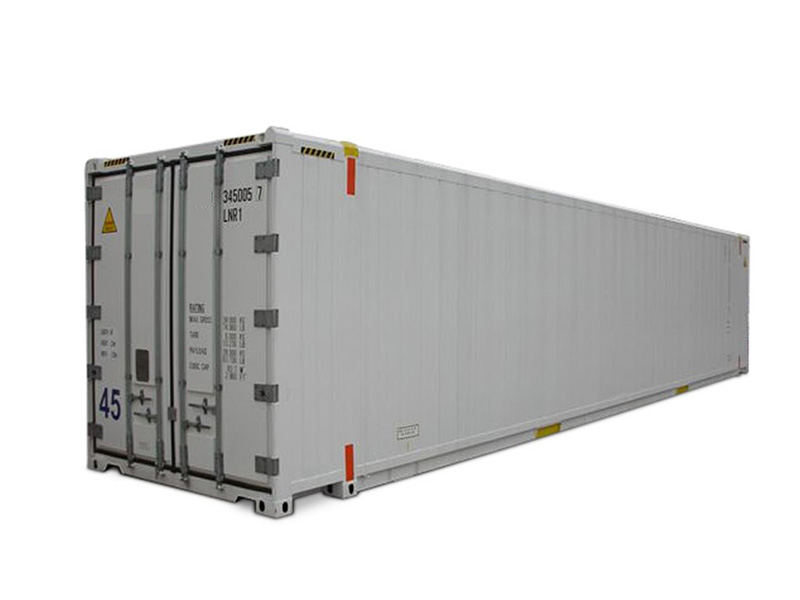
New and used reefer containers of 10, 20, 40, and 45 feet are available for delivery throughout Ukraine via our own transport. GCS's technical base allows for diagnostics of refrigeration units, repairs, maintenance, installation of monitoring systems for all container parameters, and preparation of reefer containers for long-term stationary use.
Products by topic
Our Partners
Today, our company services a number of large linear companies operating in Ukraine. Such as:































Want to stay informed?
Subscribe to our newsletter, and we'll notify you about new promotions, special conditions for partners and new clients, and market changes.