What types of containers are there for transporting goods
A key element of international logistics is containers — reusable cargo packaging of standardized dimensions designed for intermodal domestic and international transportation of palletized, piece, bulk, and liquid cargo without the need to reload the contents.
To choose the right container for a specific cargo, let's examine what types of sea containers exist, how they differ from one another, and which tasks they are suitable for.
Classification of containers by design and purpose
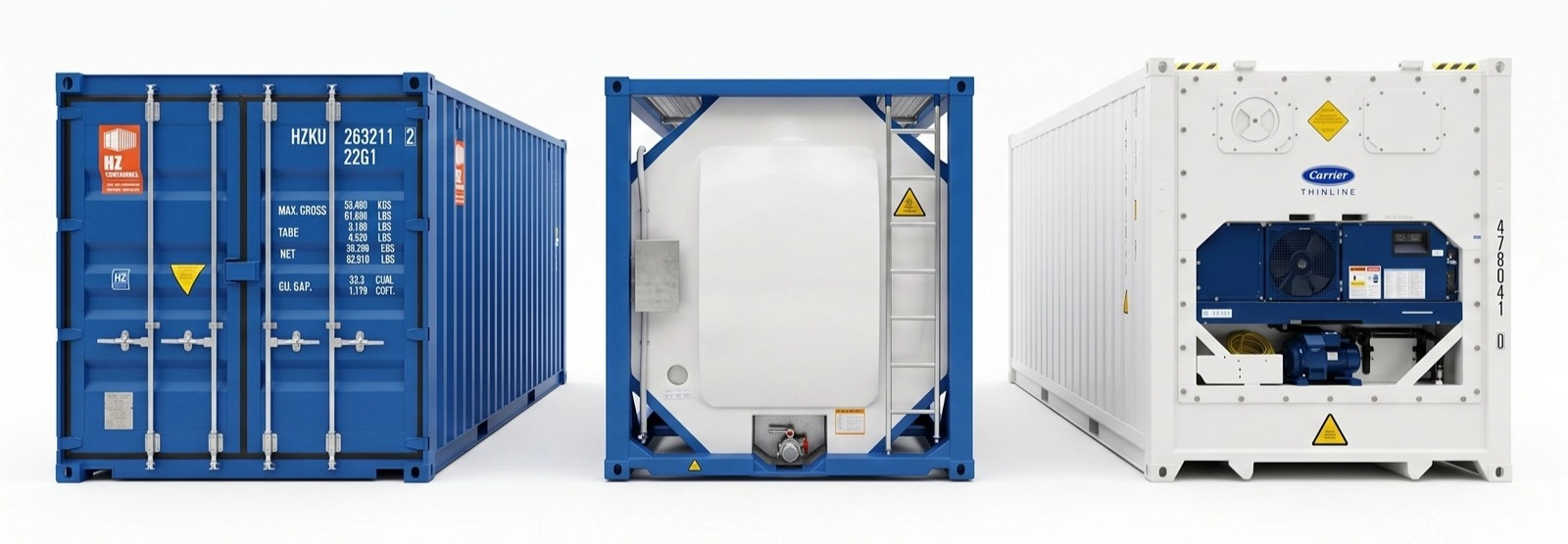
What containers are available by design and purpose:
- general-purpose dry containers;
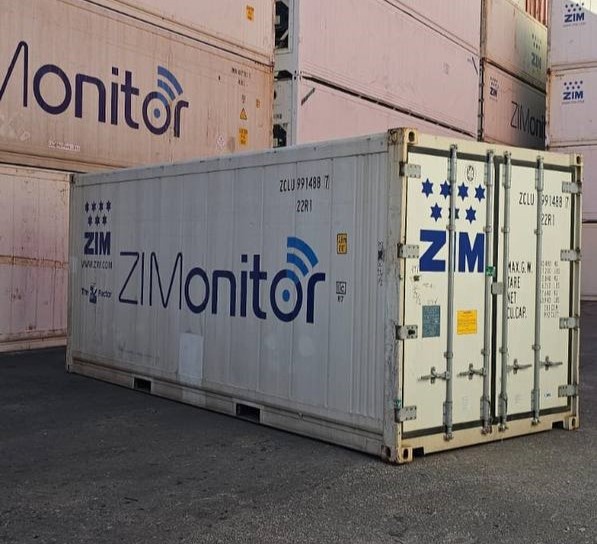
- refrigerated containers (reefers);
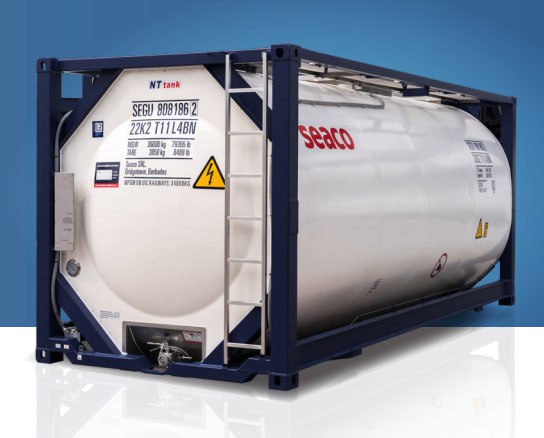
- tank containers;
- insulated containers;
- special containers (specialty containers);
- blast freezing containers.
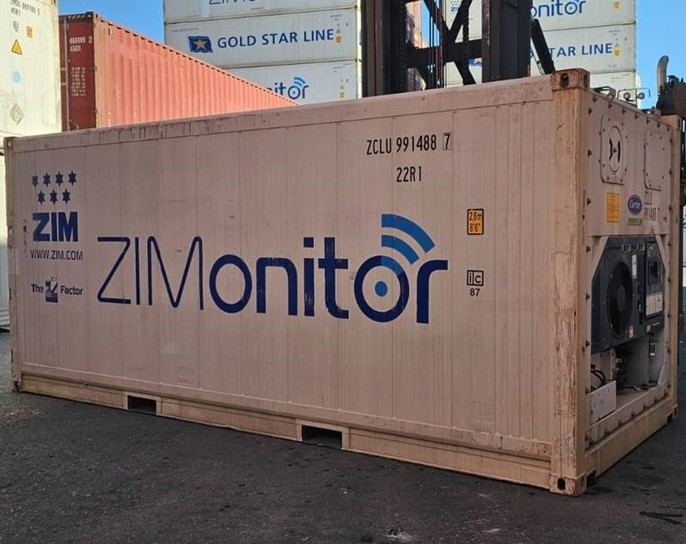
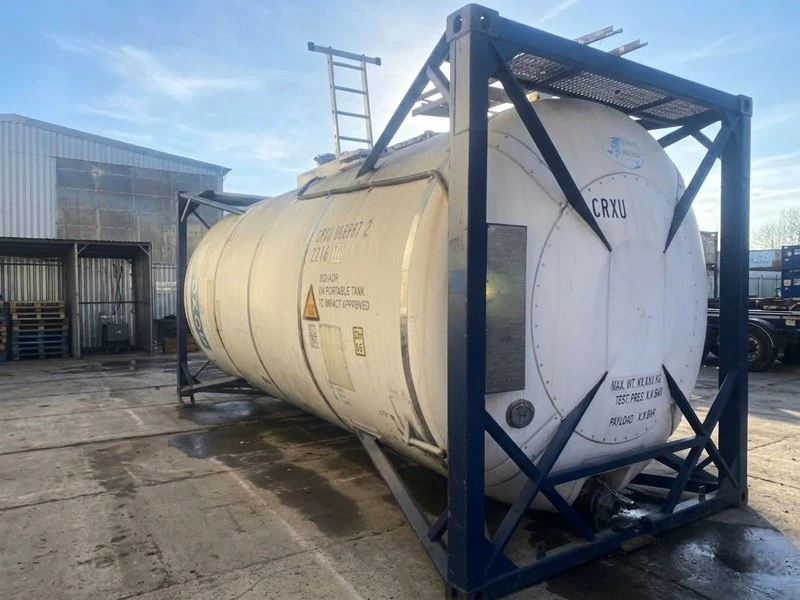
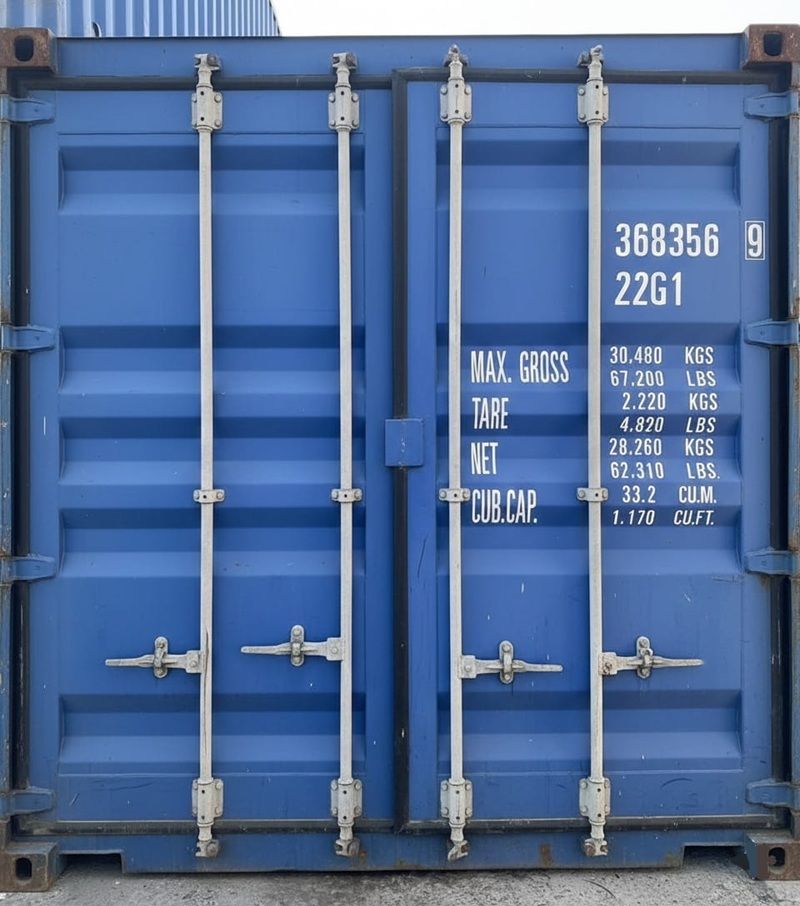
All types of sea containers are compatible with maritime, road, and rail transport and are designed for specific cargoes, transportation conditions, and warehouse storage.
Table 1. Dimensions, container types, and their classification
| Type | Purpose | Container dimensions | Features |
|---|---|---|---|
| Dry (sea container) | General cargo | 10, 20, 40, 45 ft | Universal container for most cargoes |
| Reefer container | Food products, medicines, flowers | 10, 20, 40, 45 ft | Equipped with a refrigeration unit |
| Tank container | Liquid and gaseous cargoes | 20, 30, 40 ft | Hermetic tank in a steel frame |
| Blast freezing container | Meat, fish, vegetables, fruits, semi-finished products | 10, 20, 40 ft | Provides rapid temperature reduction of products to preserve their structure and quality. Temperature range -60°C … -20°C |
| Insulated container | Cargoes requiring thermal insulation | 10, 20, 40, 45 ft | Maintains temperature without active cooling |
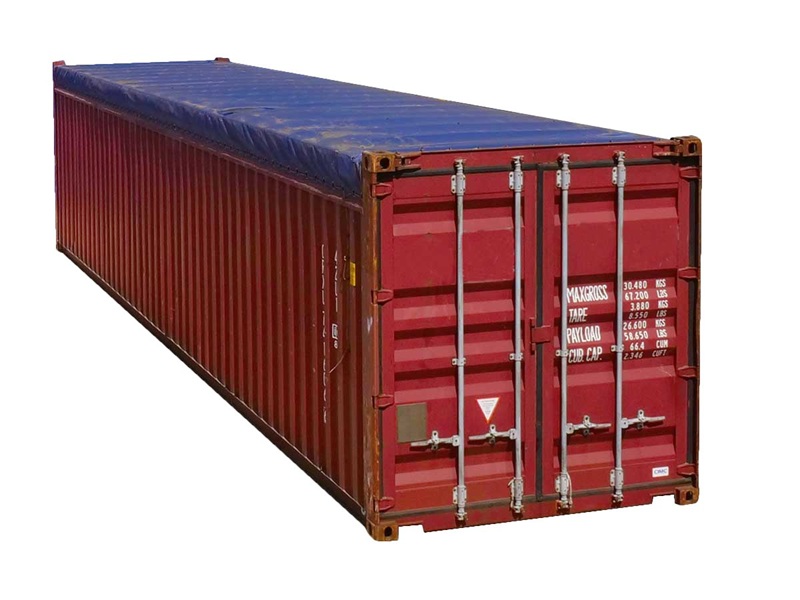
| OPEN TOP | Non-standard cargoes loaded from above | 20, 40 ft | Removable tarpaulin roof for top loading |
| Hard Open Top | Heavy equipment and oversized cargoes | 20, 40 ft | Removable rigid metal roof for top loading |
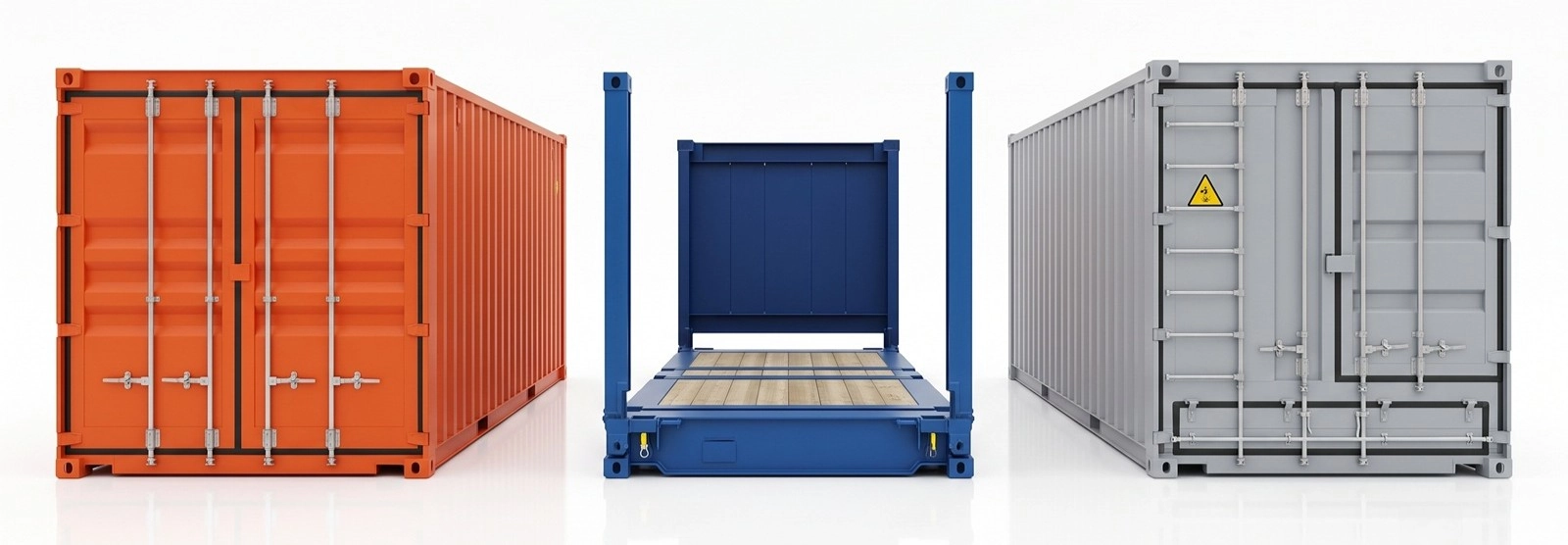
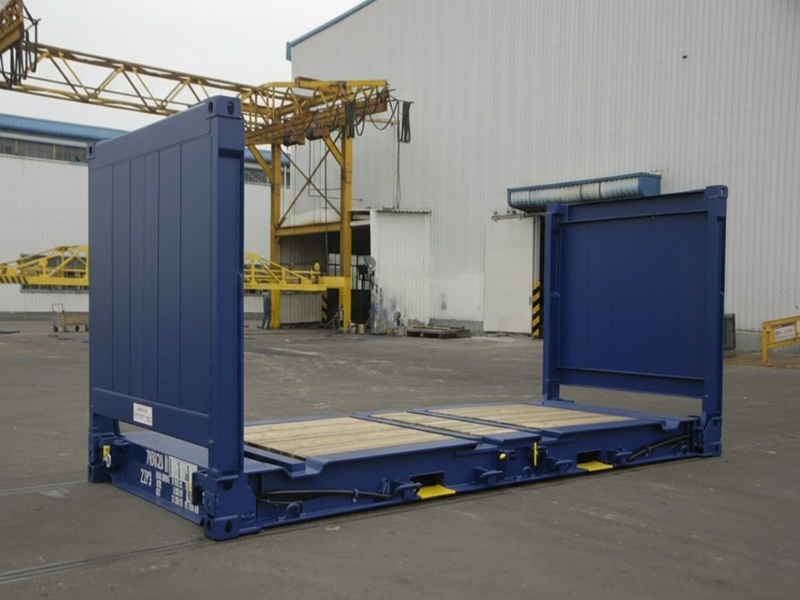
| FLAT-RACK | Special equipment, metal structures, heavy equipment | 20, 40 ft | Cargo platform without side walls and roof with lashing points |
| BULK | Bulk cargoes | 20, 40 ft | Equipped with loading hatches and discharge valves |
Dimensions of sea containers
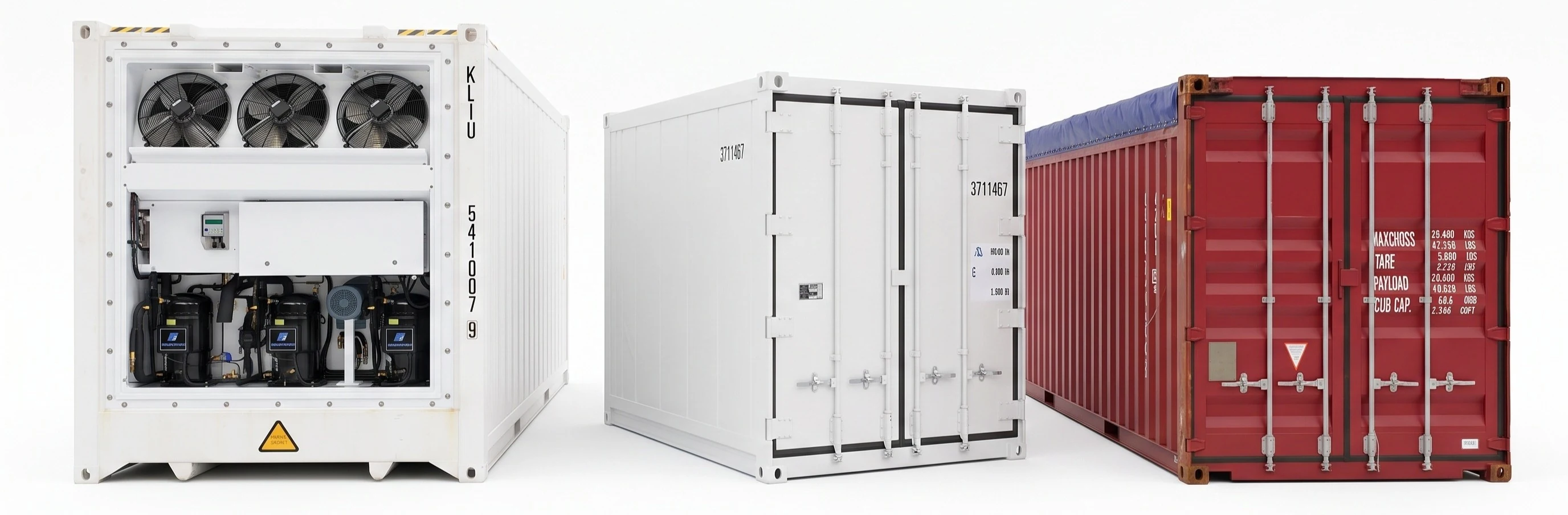
The dimensions of the container determine the amount of cargo that can be stowed, loading efficiency, and the final cost of transportation. Most dry, refrigerated, and blast freezing containers are manufactured in several modifications:
- standard (Standard) 10, 20, 40 and 45 foot;
- high-cube (High Cube) 10, 20, 40 and 45 foot;
- pallet-wide (Pallet Wide) 45 foot.
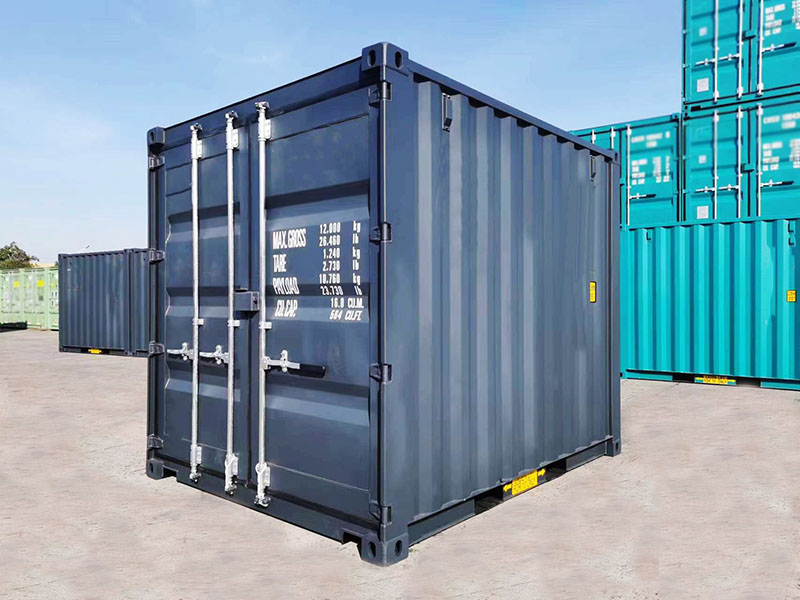
10-foot containers are designed for small cargo volumes and installation in limited spaces. 20-foot and 40-foot containers allow for more cargo, thereby reducing the transport cost per unit of product. 45-foot models have one of the largest internal volumes.
Special containers, including BULK, FLAT-RACK, Hard Open Top, and Open Top container, are produced only in 20‑ and 40‑foot formats.
How to choose the right container?
Container types and specifications are selected based on the following factors:
- type of cargo being transported;
- temperature requirements;
- mode of transport;
- required usable internal volume;
- loading and unloading conditions.
For example, palletized goods suit a standard dry container of the required capacity, temperature‑sensitive products suit a refrigerated reefer container, and agricultural, military, and construction equipment suit Flat Rack containers without side walls.
To understand the design of reefer containers, learn about their operating principles and types, please refer to the article «Design and types of refrigerated containers».
What is the difference between a sea container and a rail container?
One common client question is: what is the difference between a sea container and a rail container? Most sea containers are designed and operated in accordance with international ISO standards and are suitable for multimodal transportation. Sea containers are subject to stricter requirements for sealing and structural reliability, considering the impact of aggressive environments.
However, there are also rail‑specific containers intended exclusively for cargo transportation by railway. The construction of such containers may differ from sea containers in terms of sealing degree and corrosion resistance, depending on the container brand, carrier requirements, and operating conditions.
Still have questions about the classification of sea containers or need help choosing equipment? Leave a request on the website, and GCS specialists will answer all your questions and help you make the right decision based on your business needs and cargo specifics.
Products by topic
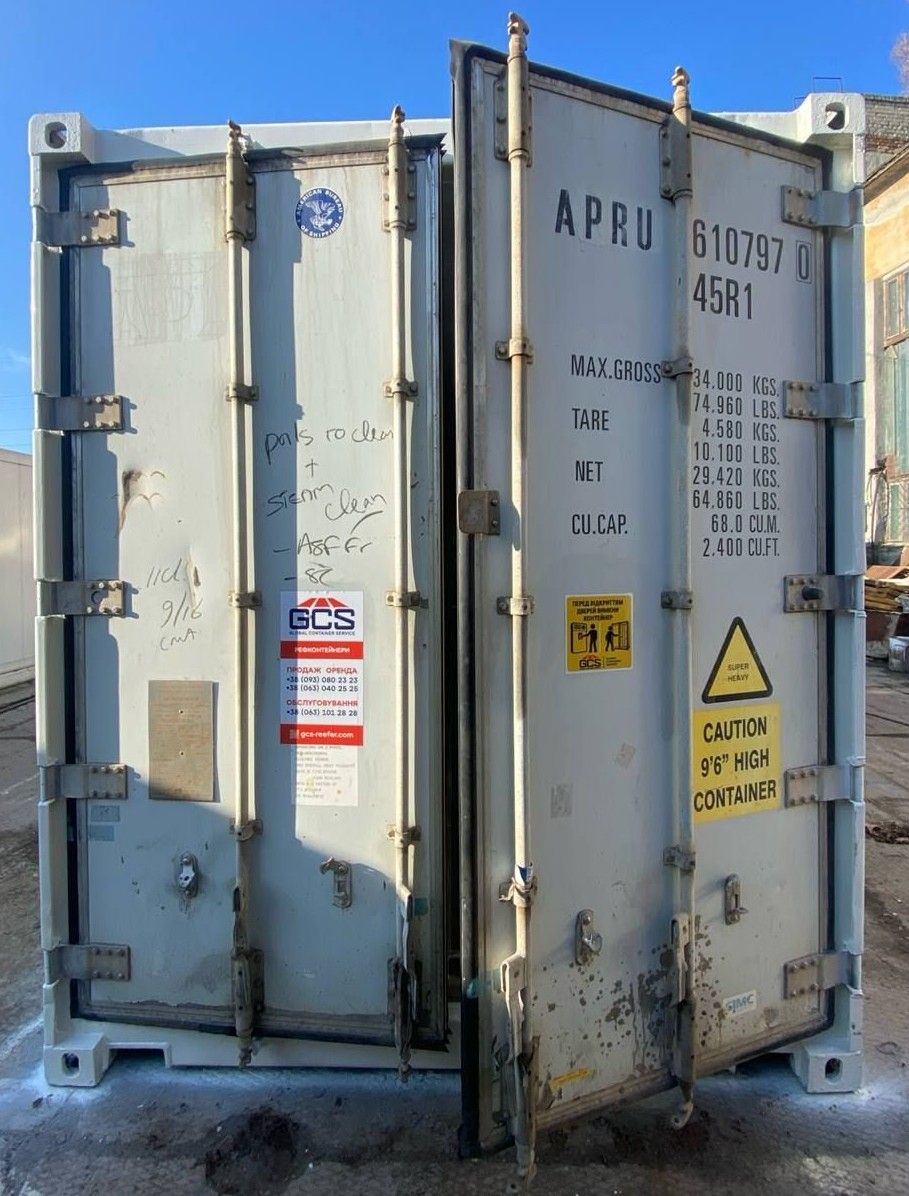
Our Partners
Today, our company services a number of large linear companies operating in Ukraine. Such as:






























Want to stay informed?
Subscribe to our newsletter, and we'll notify you about new promotions, special conditions for partners and new clients, and market changes.