How to properly prepare a refrigerated container for the fruit and vegetable season
Seasonal transportation of fruits and vegetables must begin with proper preparation of reefer containers. If a refrigerated container is dirty, damaged, or has not undergone maintenance, the risk of temperature regime violations, deterioration of sanitary conditions, and reduced shelf life of the transported products increases.
Let's look at how to inspect a reefer container for transporting seasonal fruits and vegetables to the domestic market or abroad, so that the products retain their freshness, quality, and commercial characteristics until delivery.
Technical inspection of the reefer container
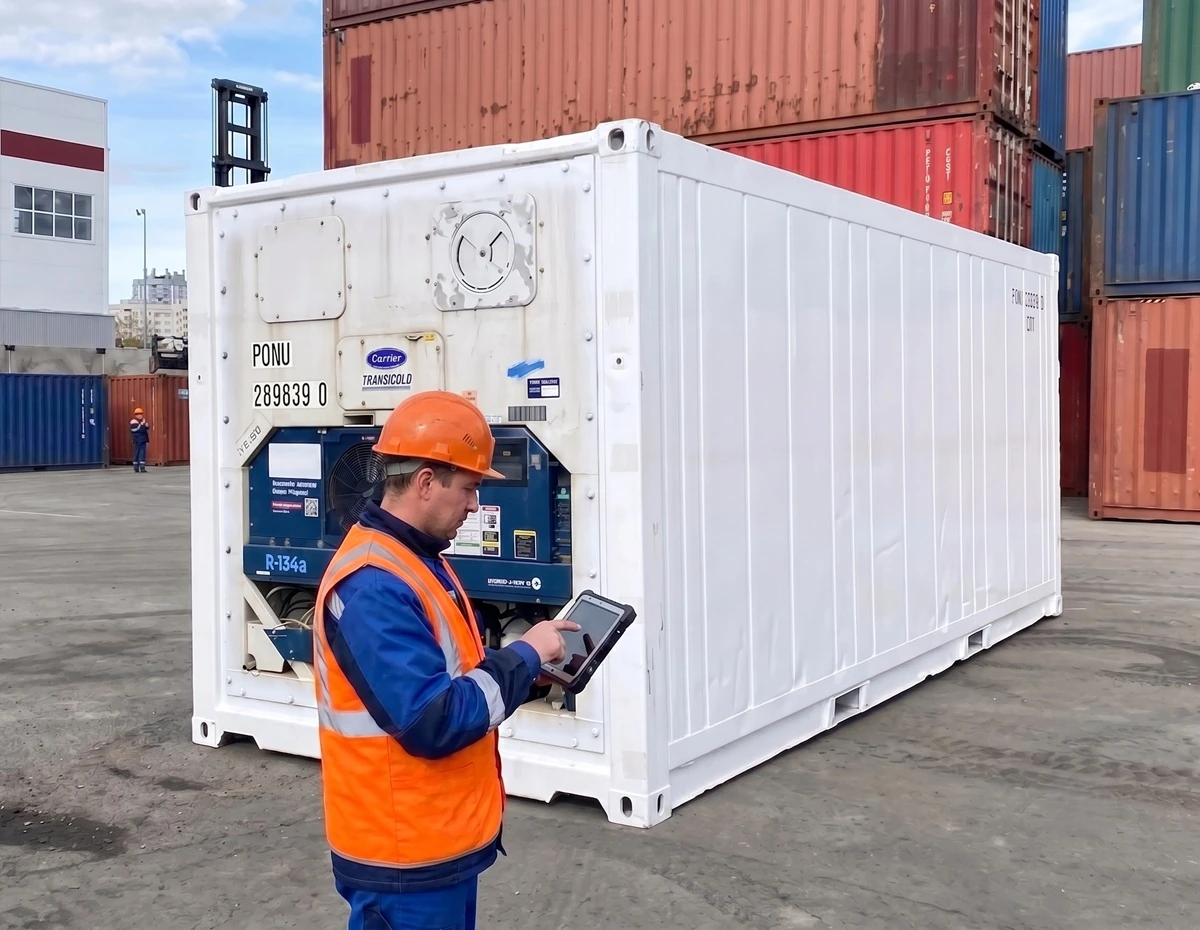
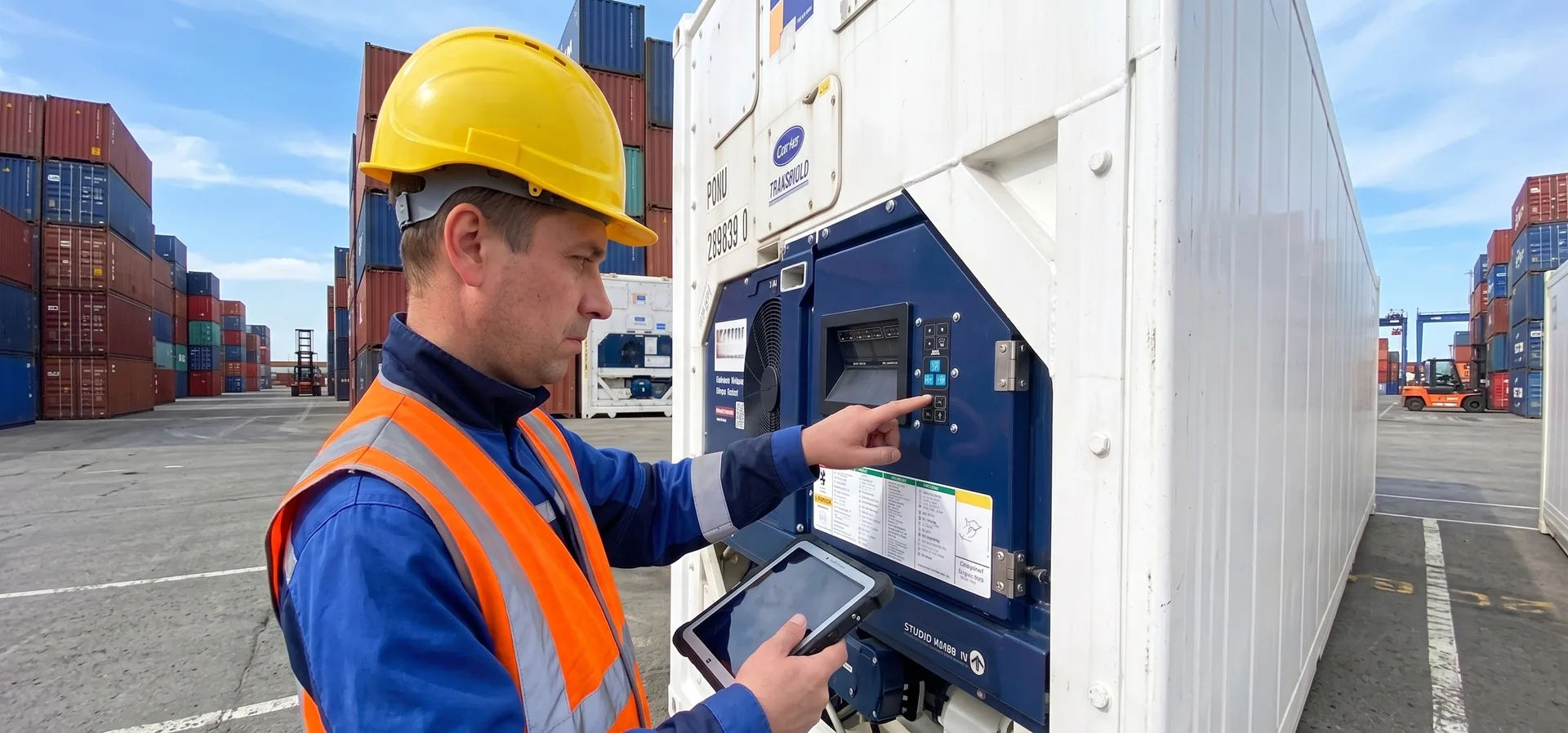
Before the harvest season begins, each refrigerated container must undergo a PTI (Pre-Trip Inspection) — this is an automatic check of all components of the refrigeration unit, a visual inspection of the control panel, the external and internal refrigeration circuit, the refrigerant level check, and an inspection of the container body and drainage system. The pre-trip inspection is carried out to identify both obvious and hidden defects in the container.
Also, during the PTI diagnostics of the reefer container, refrigeration mechanics check the operation of the refrigeration unit, electrical circuits, and the main operating parameters of the equipment in various modes, namely:
- testing the operation of the compressor, fans, and heating system;
- checking temperature and air humidity sensors;
- performing insulation resistance checks of electrical circuits if necessary.
When error codes are detected on the controller, special decoding is used to determine the faults.
The pre-trip inspection allows for the early detection of malfunctions or deviations that could lead to temperature regime violations during the storage and logistics of perishable goods.
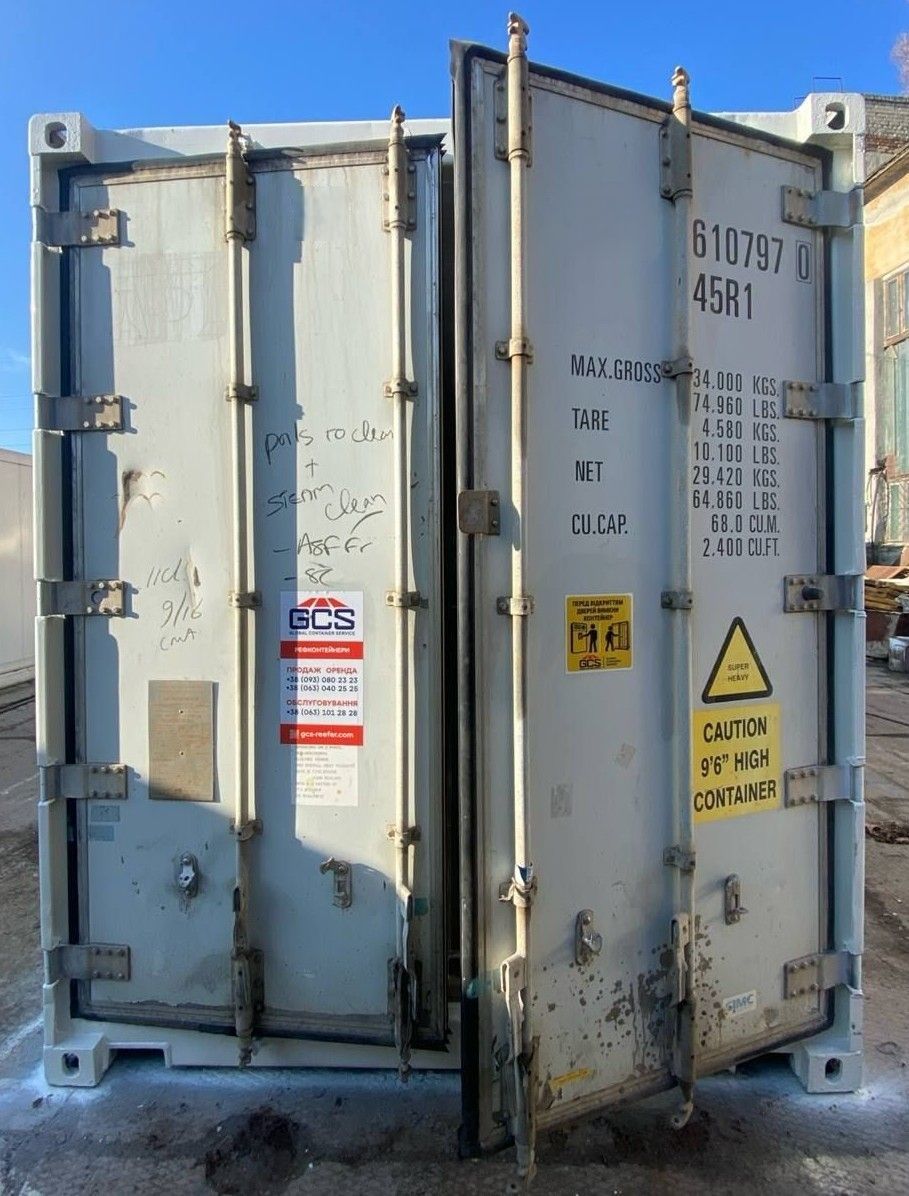
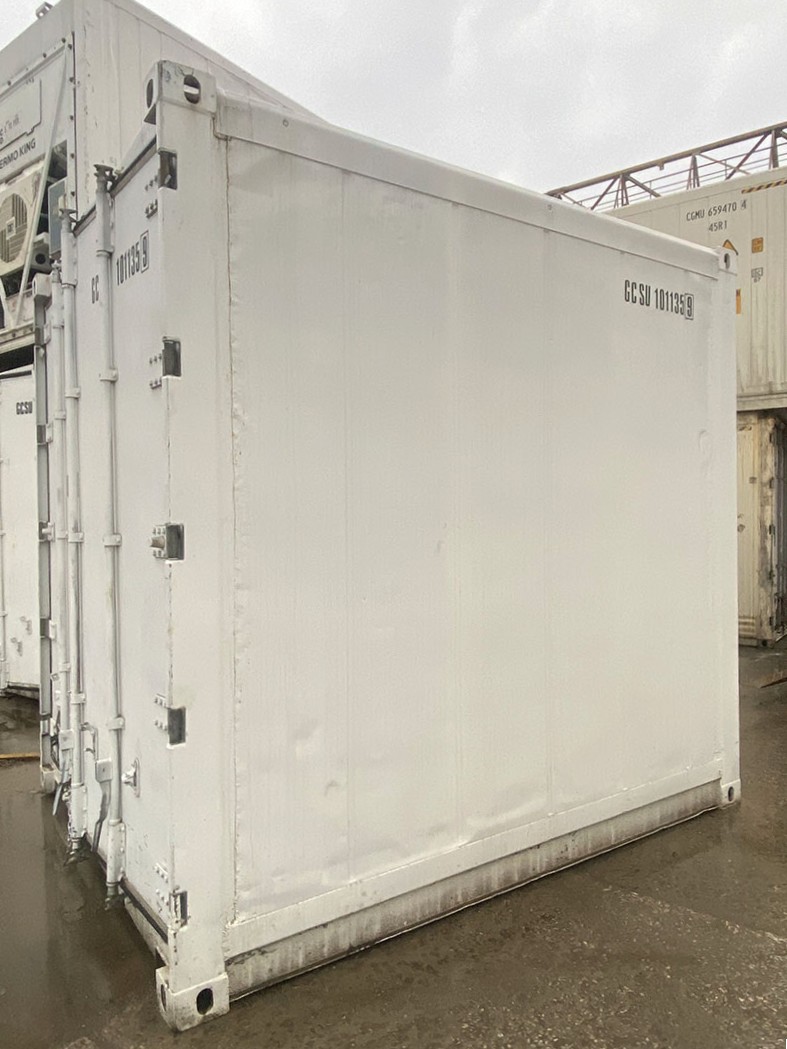
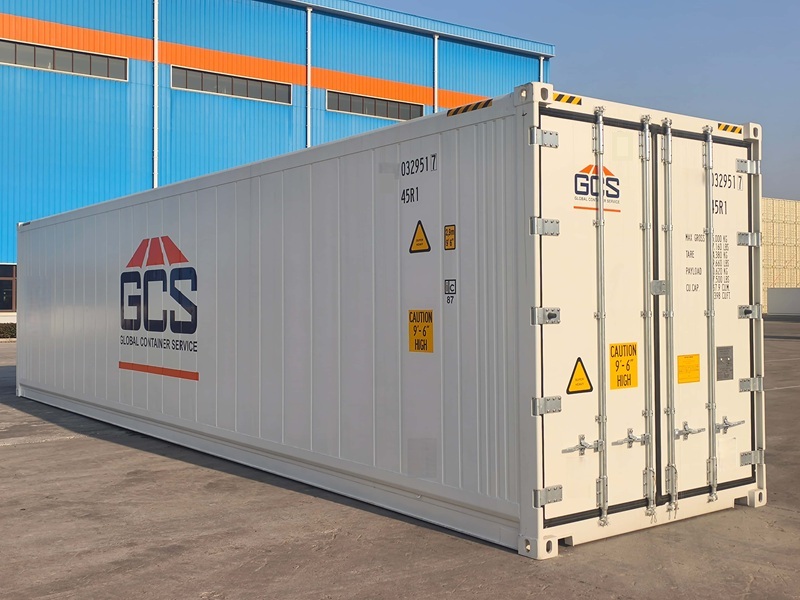
Inspection of the container body
Maintenance includes checking the container body for the absence of mechanical damage, holes, and corrosion. Special attention is paid to the integrity of the thermal insulation, the tightness of the doors, the condition of the door gaskets, and the T-shaped floor through which air exchange takes place. If defects are found, reefer container repairs are carried out at the certified GCS terminal in Odesa.
Even a slight loss of tightness in a reefer container leads to reduced energy efficiency of the refrigeration unit and worsens the conditions for transporting vegetables, fruits, and berries.
Cleaning the container before loading
Residues from previous cargo, dirt, and foreign odors can accelerate the spoilage of fresh vegetables, fruits, and berries. Therefore, before each loading of a new batch of agricultural products, sanitary treatment and container washing are mandatory.
During the process, high-pressure water jets (up to 80 °C) with special cleaning agents are used to clean the internal surfaces, T-shaped floor, drainage holes, and other elements of the container body.
Checking the refrigeration unit settings
When preparing a reefer container for transportation, it is important to correctly set the temperature and, if necessary, the air humidity parameters. It should be taken into account that the storage temperature of vegetables in a warehouse may differ from the transport parameters, so the settings are chosen considering the requirements of the specific product.
It is also important to ensure the sensors are working correctly. If necessary, the container is pre-cooled to the operating temperature in accordance with the requirements of the transported products.
Preparing the cargo for transportation
Cardboard boxes with ventilation holes are used as packaging for fruits. These must ensure stable stacking on standard ISO pallets (1000 mm x 1200 mm) and withstand loads in high humidity conditions, preventing crushing and deformation. If necessary, the boxes are additionally secured to each other to increase the stability of the cargo.
It is prohibited to exceed the container's permissible payload capacity and to mix incompatible products in terms of temperature, humidity, sensitivity to ethylene, and ventilation requirements.
How to properly load a refrigerated container?
Incorrect stuffing can disrupt air circulation even with fully functional refrigeration equipment.
| What is required | Why it is important |
|---|---|
| Do not block the T-shaped floor | Ensures uniform supply of cold air |
| Leave gaps between the cargo and walls | Maintains normal air circulation |
| Do not exceed the maximum loading height (red line) | Prevents formation of areas with insufficient cooling |
| Use serviceable euro pallets | Increases cargo stability during transportation |
To avoid short-circuiting the airflow, it is necessary to close the gaps between the pallets for air movement near the T-shaped floor profile. A distance should be left between the last pallets and the container doors to allow for free air circulation.
In some cases, pallets can be replaced with plastic slip sheets to increase the module's usable volume and reduce transport costs. Loading should be carried out as quickly as possible to minimize the rise in cargo temperature. Immediately after loading, the reefer container doors are closed and sealed.
Why you should trust GCS with reefer container maintenance
The Global Container Service service center provides preparation, comprehensive maintenance, and reefer container servicing for sizes 10, 20, 40, 45 feet, as well as 45-foot Pallet Wide, at its own certified container terminal.
The company Global Container Service LLC is an official dealer of all refrigerated container manufacturers, including Carrier, Daikin, Thermo King, and Star Cool. GCS specialists are certified engineers with extensive experience in preparing reefer containers for seasonal operation. Preparatory work is carried out before the start of the season or before loading export cargo into the container to reduce the risk of equipment failure and ensure the safe shipment of vegetables and fruits for export. Original spare parts and components, which are always in stock at the warehouse, are used for reefer container repairs. If real-time tracking of the cargo route and operating parameters of the refrigeration unit is required, the installation of a GPS monitoring system is possible.
If you are unsure which equipment is best suited for seasonal products, we recommend reading the article: "Blast freezer container or reefer container — what should a farmer choose for seasonal fruits and vegetables?".
Products by topic
Our Partners
Today, our company services a number of large linear companies operating in Ukraine. Such as:






























Want to stay informed?
Subscribe to our newsletter, and we'll notify you about new promotions, special conditions for partners and new clients, and market changes.