Flash freezing of berries
Shock freezing of berries is a method of rapid freezing in which berries are exposed to extremely low temperatures (-30°C and below). As a result, the berries freeze almost instantly, which allows them to retain their texture, taste, color, nutrients, and vitamins.
Types of berries suitable for shock freezing

- raspberries;
- strawberries;
- blueberries;
- cherries;
- currants;
- blackberries.
Shock freezing of raspberries
Raspberries are one of the most popular berries for shock freezing. Thanks to the high freezing speed, raspberries retain their structure and taste. This is especially important when using raspberries in desserts, yogurts, and smoothies.
Shock freezing of strawberries
Strawberries are another berry that is perfectly suited for shock freezing. Due to this technology, strawberries preserve their sweetness and aroma. Frozen strawberries can be used in cooking all year round, which makes them indispensable in the food industry.
Shock freezing containers from Global Container Service

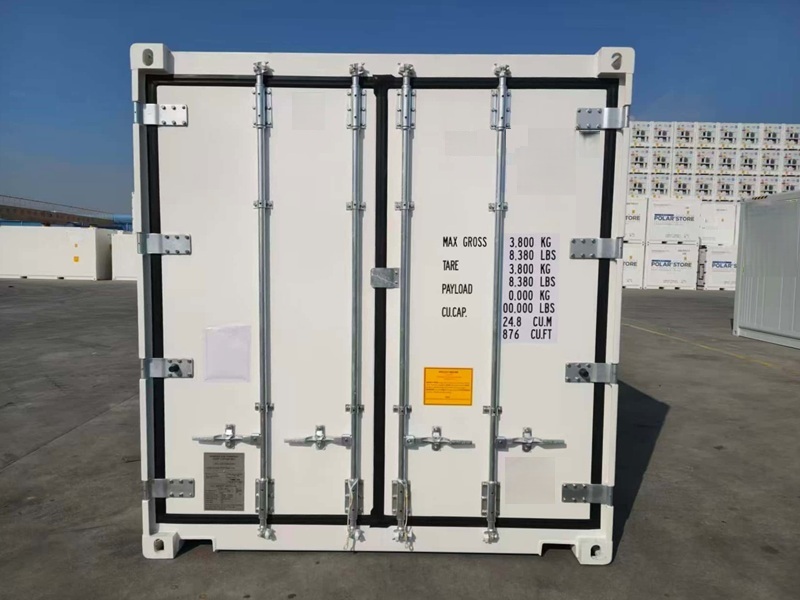
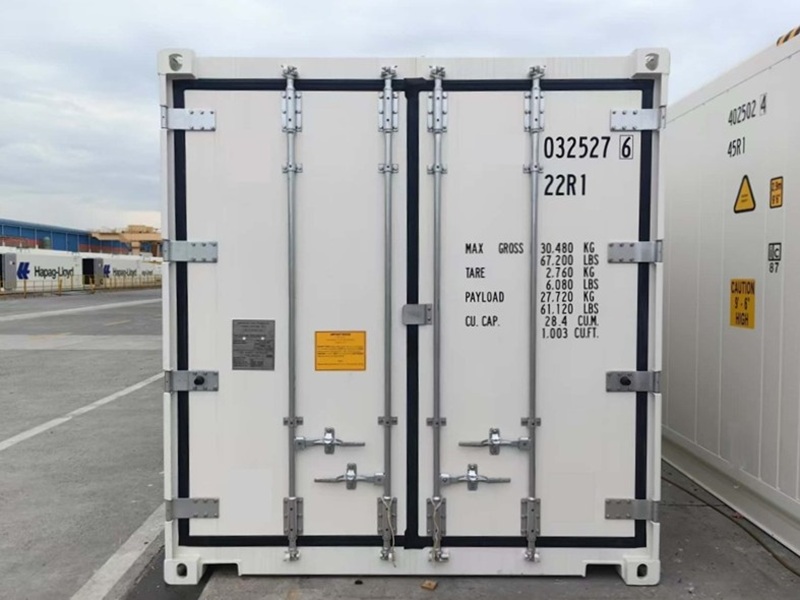
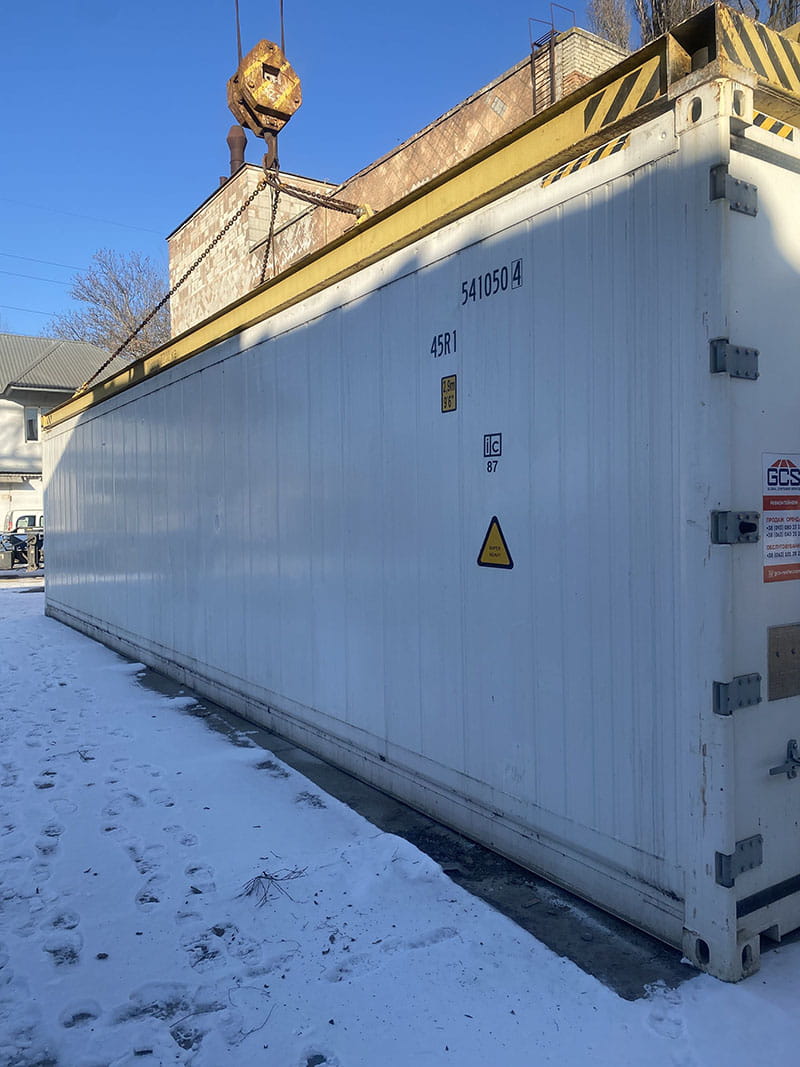
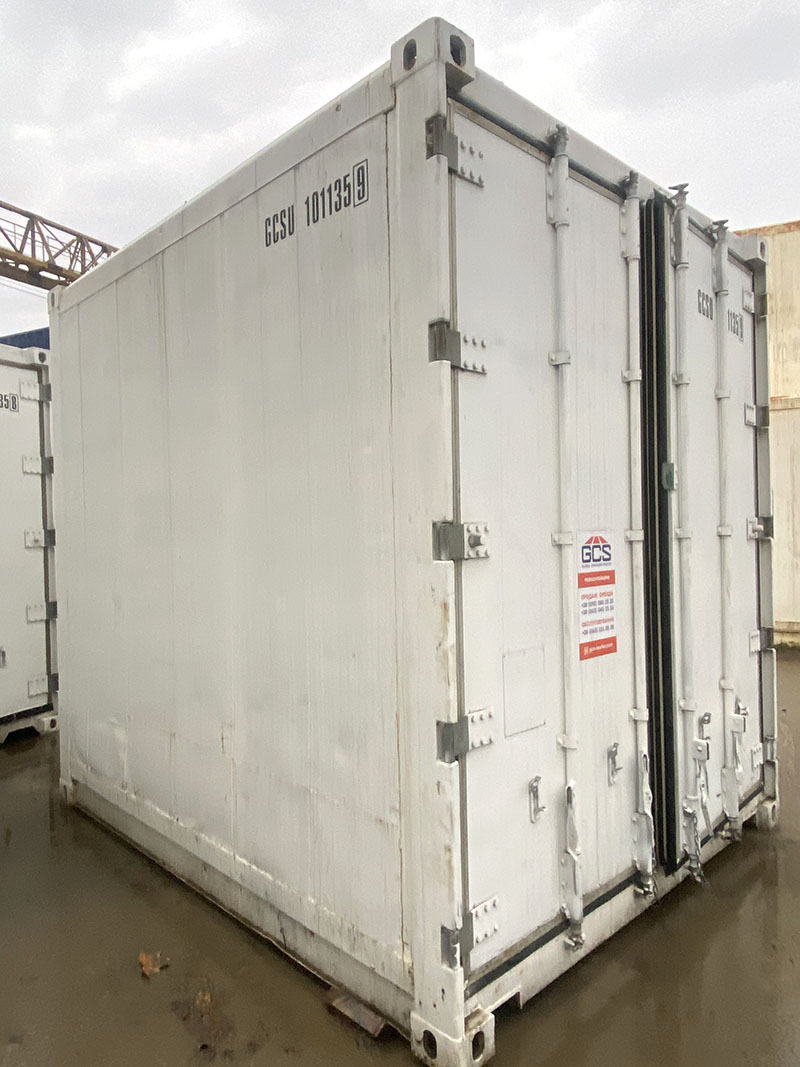
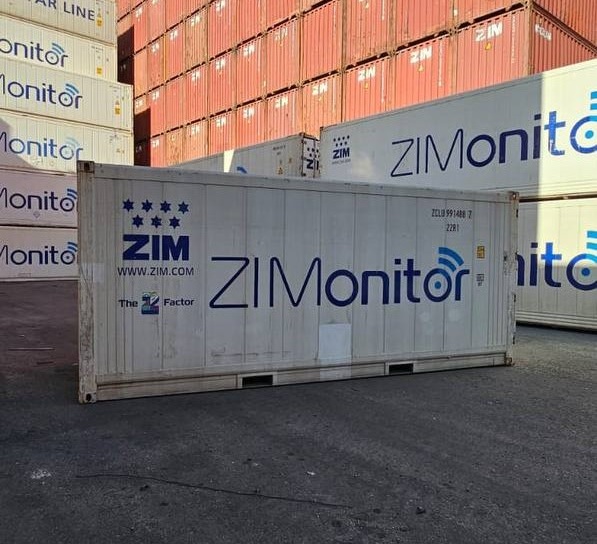
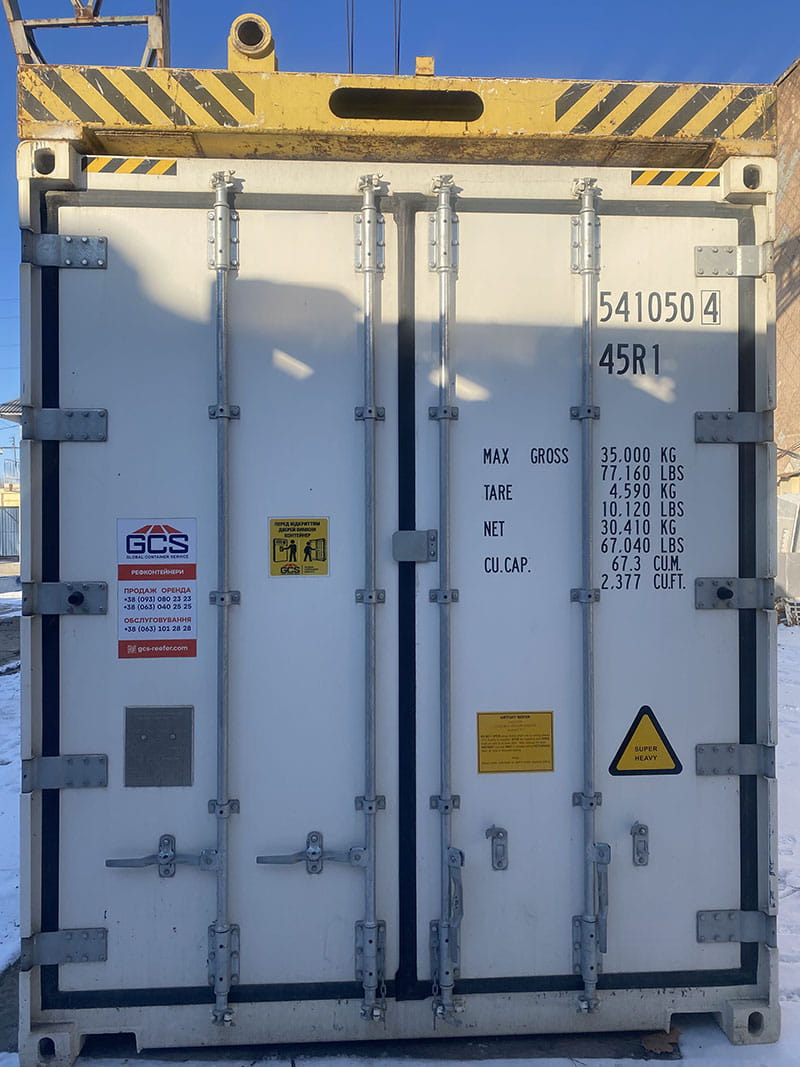
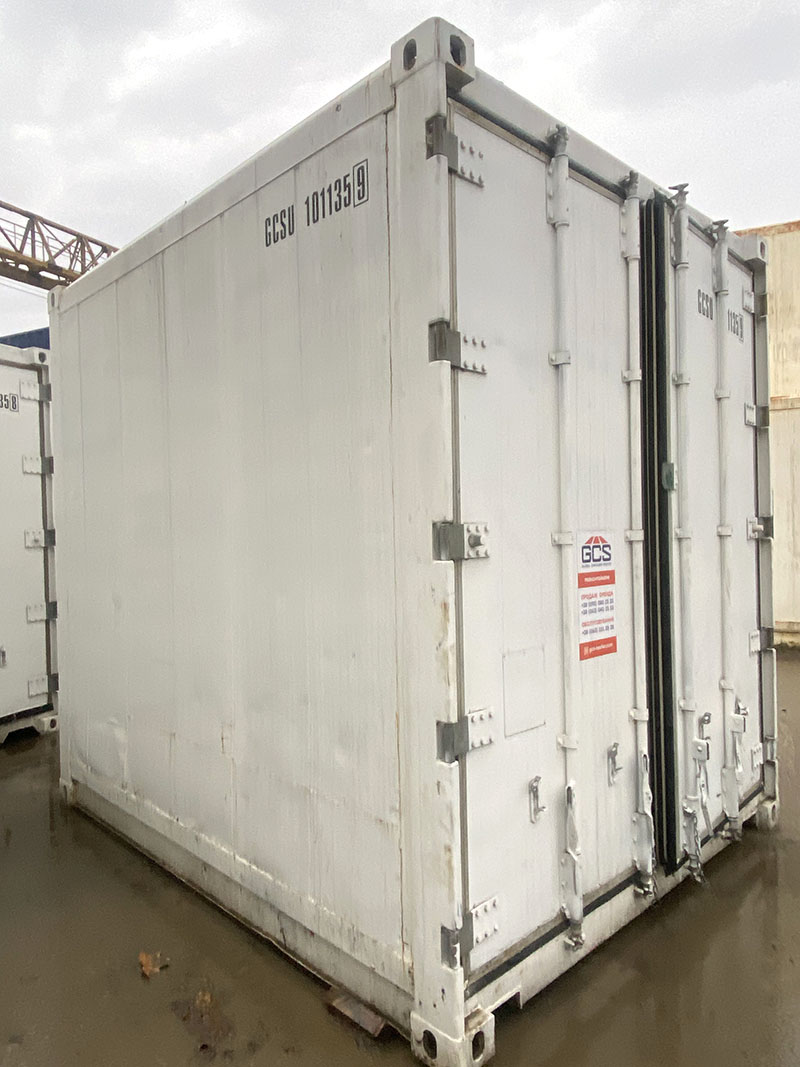
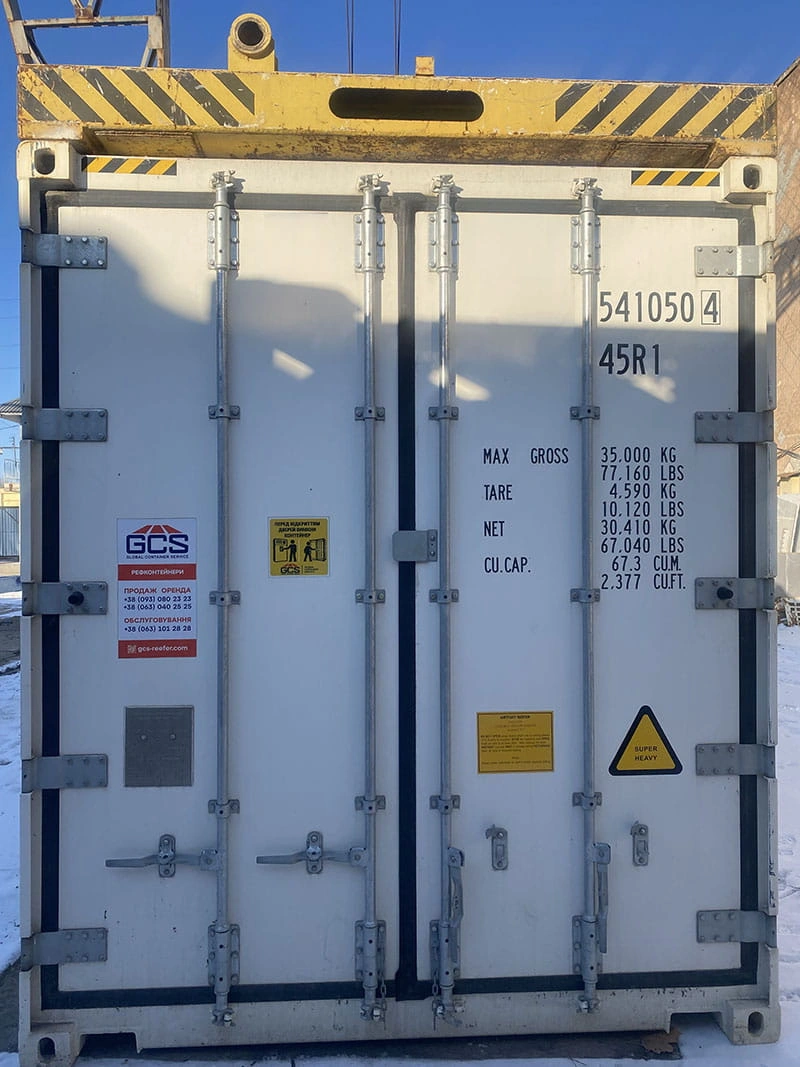
The company Global Container Service offers marine containers for shock freezing of berries. Our containers are 40-foot refrigerated units that can be delivered to any port in the world.
We offer both ready-made containers and custom-made units. They can be loaded onto a truck, which simplifies transportation and use.
Advantages of our equipment:
| Quality | Our containers are made from high-quality materials using the latest technologies, guaranteeing a long service life and reliable operation. |
| Experience | Global Container Service has years of experience in supplying containers for blast freezing. |
| Ease of Use | The containers can be used as stationary refrigerators at the terminal, which is especially convenient for large product volumes, or they can be delivered to any location convenient for you. |
The berry shock-freezing container from Global Container Service is a guaranteed way to preserve the freshness and quality of your products. We offer reliable and convenient solutions for your business, ensuring long-term preservation of berries.
Frequently Asked Questions
How can I prevent berries from sticking together after freezing?
To prevent berries from sticking together, they must be frozen immediately after harvesting with no excess moisture on the surface. It is also important to ensure intense cold air circulation and not to exceed the recommended layer thickness when loading the container, so that the ice crystal formation stage is passed quickly.
Can I rent a container for the harvest season?
Yes, Global Container Service offers shock containers for rent during the seasonal berry harvest, when the need for refrigeration capacity increases for a limited period. Renting a container allows you to avoid large capital expenditures and quickly scale up processing volumes during peak harvest activity.
Can the container be installed near the harvesting site?
Thanks to their mobility, shock‑freezing containers can be installed directly next to berry receiving or collection points. This approach reduces the time between harvesting and freezing and lowers the risk of quality loss.
Can different types of berries be frozen at the same time?
Freezing different types of berries together is permissible if they have the same temperature and processing requirements, ensuring uniform cooling of each batch.
What temperature is considered optimal for shock freezing berries?
The optimal temperature for shock freezing berries is between –30 °C and –35 °C. At this temperature, with intense air circulation, berries freeze quickly without ice crystals damaging cell walls, which fully preserves their shape, texture, flavor, and vitamins.

Want to stay informed?
Subscribe to our newsletter, and we'll notify you about new promotions, special conditions for partners and new clients, and market changes.