A container for shock freezing or a reefer container – what should a farmer choose for seasonal fruits and vegetables?
It is important for farmers to preserve the commercial and consumer properties of their products in order to sell them successfully. Without proper cooling, part of the harvest may quickly lose its qualities after harvesting, leading to direct losses.
In this article, we will look at how to preserve the freshness of berries, fruits and vegetables during storage and transportation, and which equipment is better suited for this: a blast freezer container or a refrigerated container?
What methods of cooling and freezing agricultural products exist?
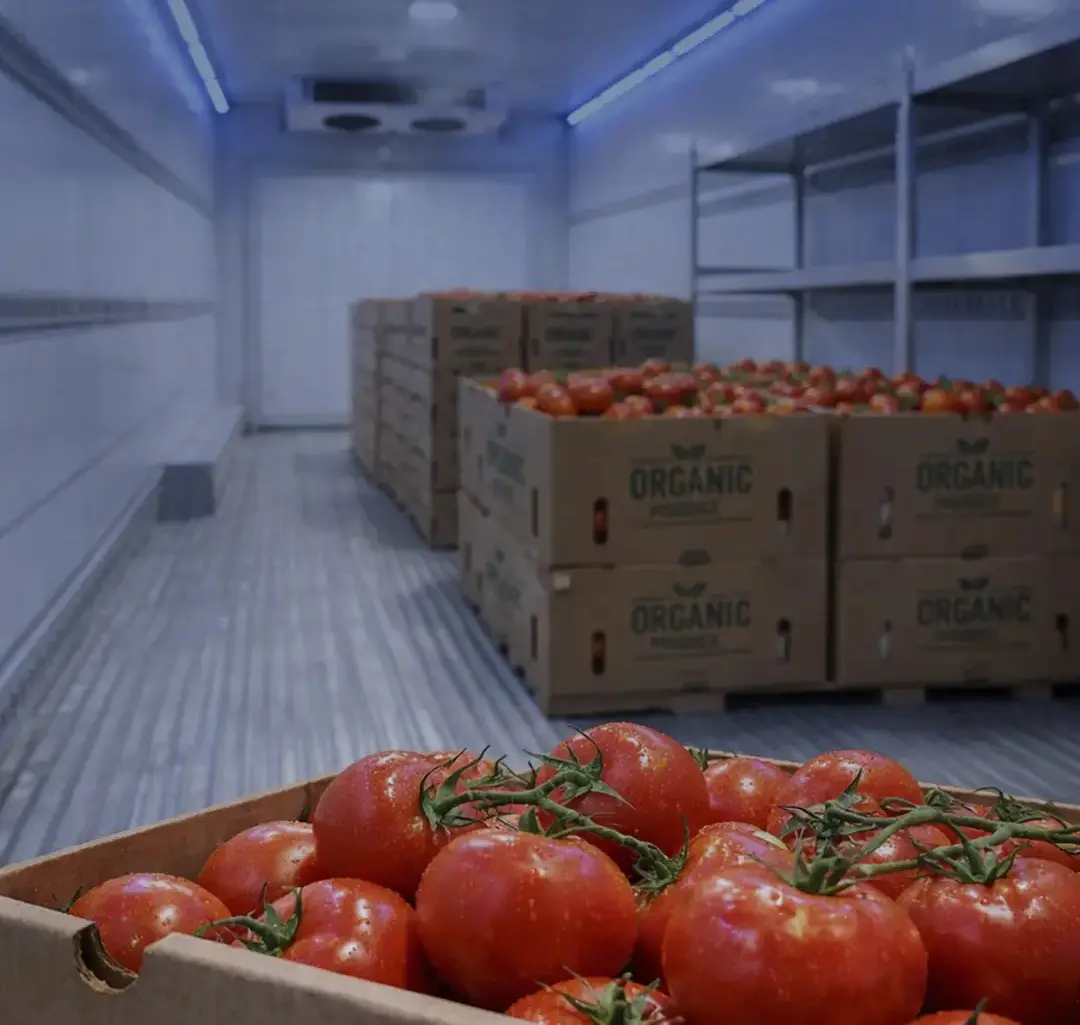 Different types of freezing and cooling have their own features. The choice of technology depends on the product, requirements for its quality after defrosting, required shelf life and logistics conditions.
For short-term storage, cooling with climatic conditions of +2…+8°C is used. Under such conditions, broccoli, greens, seasonal berries, fruits and vegetables retain their aroma, freshness, structure and marketable appearance.
When long-term storage is required, freezing is used. There are two options: slow and instantaneous (shock). Slow freezing is carried out at temperatures from -10 to -18°C. Under such conditions, large ice crystals form, which can cause agricultural products to lose their structure, juiciness and, consequently, quality after defrosting.
More effective is the shock freezing technology for berries and vegetables. How to do instantaneous freezing? Shock freezing of the product is achieved by intensive heat removal with abundant blowing of cold air at temperatures down to -60°C. At the same time, the structure of the products and their nutritional properties are preserved as close to the original as possible.
Blast freezer container or refrigerated container: technical difference
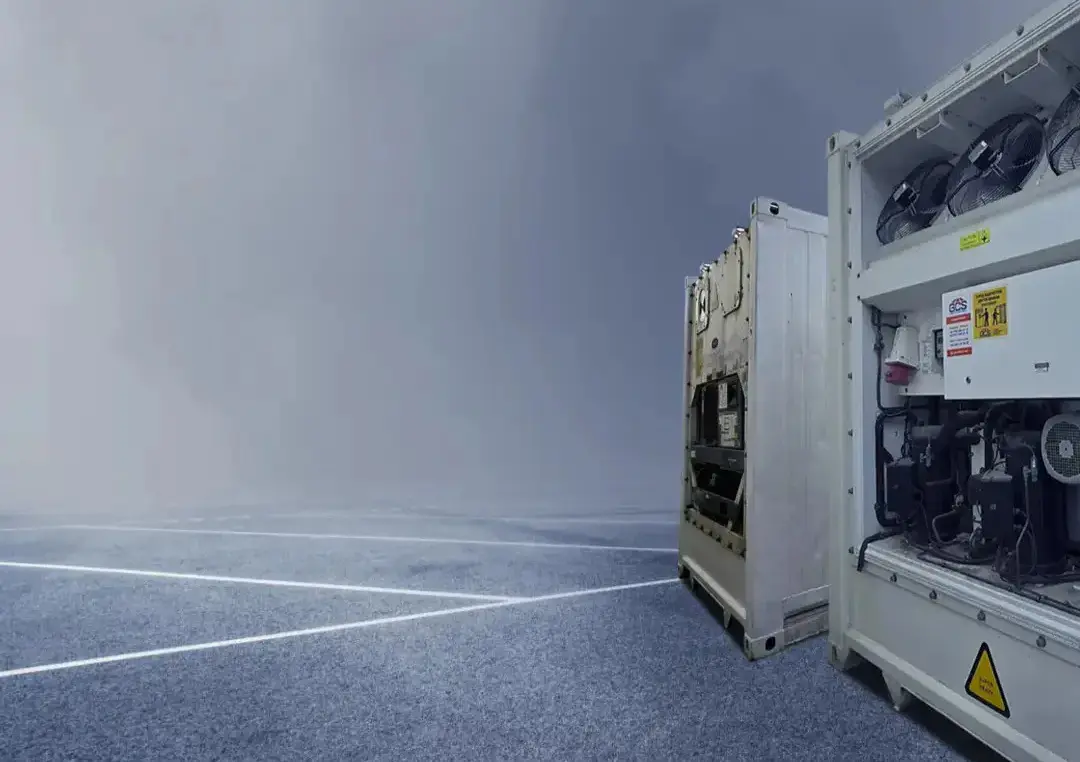 A reefer container allows maintaining a precise microclimate with minimal energy consumption. In it, products remain fresh during long-term transportation and storage.
To understand all the nuances, we recommend reading the article “Operating principle of a refrigerated container”.
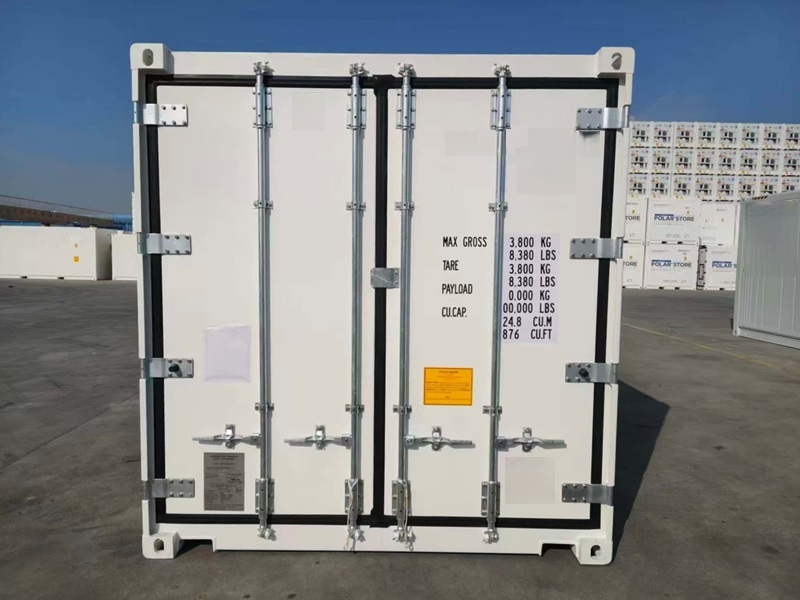
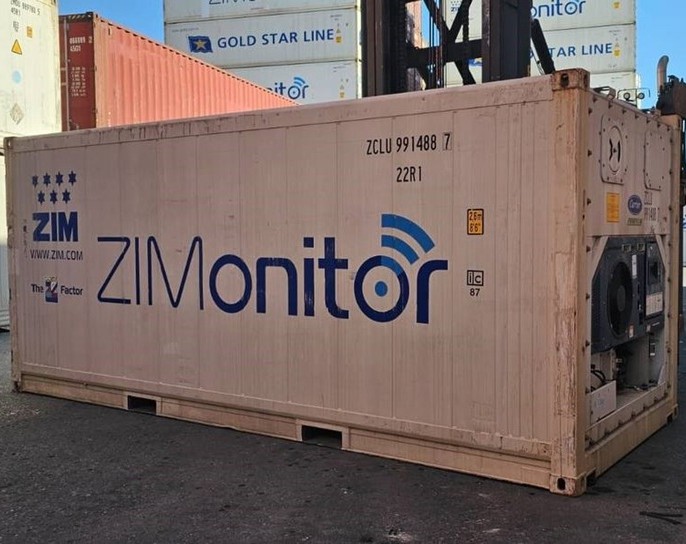
Blast freezer containers (also called “shock containers”) are equipped with powerful compressors and fans — an intensive cold air blowing system, which allows quickly passing the critical temperature zone of crystallization and minimizing damage to the product structure.
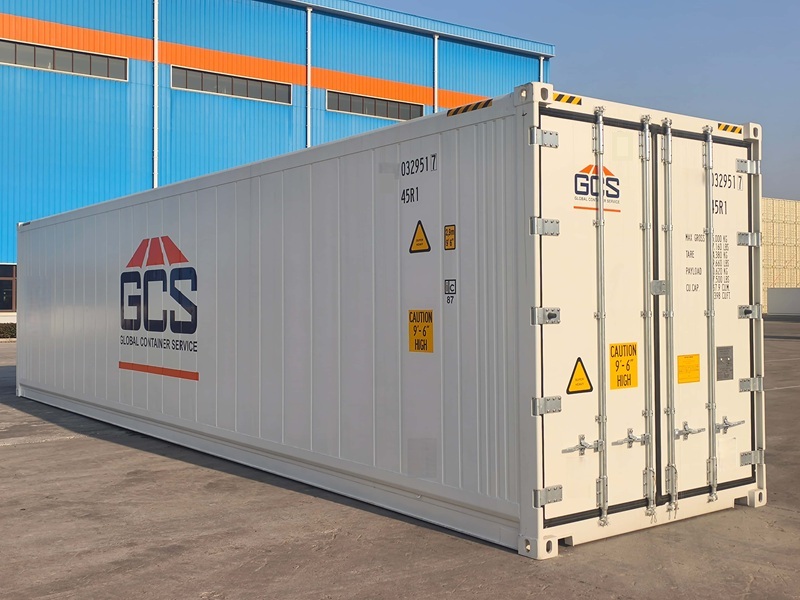
Which equipment to choose?
To select the right equipment for storing, cooling, freezing and transporting products, it is important to consider the specific task: shelf life of the goods, sales conditions and logistics requirements.
| Task | Solution |
|---|---|
| Storage of fresh products for no more than 2–3 weeks | Refrigerated containers |
| Storage of frozen products for up to 1–2 years | Blast freezing of products + storage in refrigerated containers |
| Transportation of vegetables, grains, berries and fruits to the local market | Refrigerated containers |
| Export | Blast freezing of products + transportation and storage in refrigerated containers |
Comparison by key parameters: reefer container or blast freezing
| Parameter | Reefer container | Blast freezer container |
|---|---|---|
| Requirement for storing fresh fruit | Cooling and storage of fresh products | Quick freezing |
| Logistics | Local markets, short international routes | Foreign markets |
| Shelf life | Up to 30 days (depending on the product) | Up to 12–24 months (frozen) |
| Operating cost | Relatively lower | Higher due to energy consumption |
| Temperature range | -25…+25°C | -18…-25°C |
| Technology | Maintaining stable temperature | Intensive cold air blowing with rapid passage through the crystallization zone |
Conclusion: which equipment should a farmer choose for storing, freezing and transporting vegetables and fruits
If the task is to preserve the freshness of berries and vegetables “straight from the garden”, the optimal solution is 10, 40 and 20-foot reefer containers (size choice depends on the volume of products). They are suitable for storing and transporting goods in a chilled state.
If we are talking about processing and long-term storage of products (for HoReCa, export, wholesale supplies), you should choose equipment for blast freezing followed by storage in refrigerated conditions.
Products by topic
Our Partners
Today, our company services a number of large linear companies operating in Ukraine. Such as:
































Want to stay informed?
Subscribe to our newsletter, and we'll notify you about new promotions, special conditions for partners and new clients, and market changes.