Tank Container Types: Varieties, Codes, and Purposes
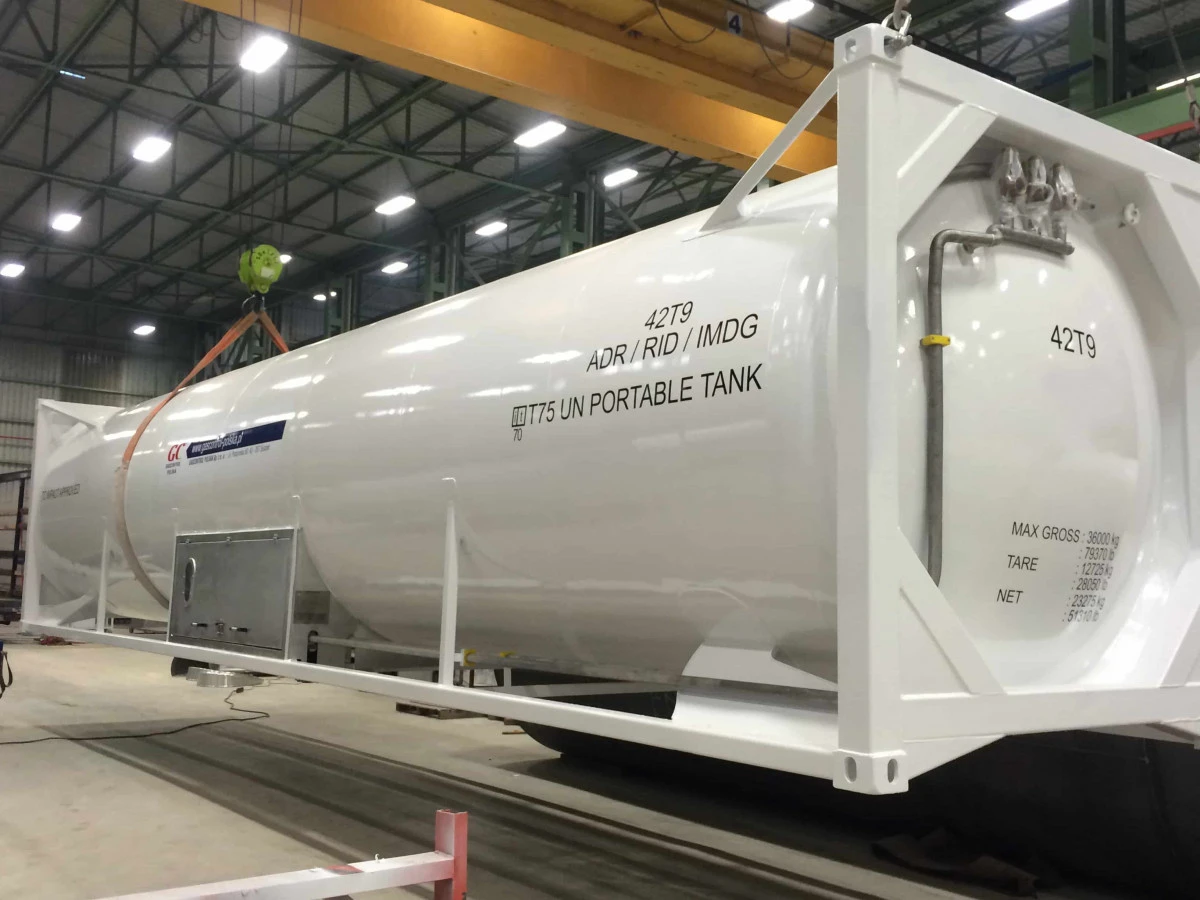
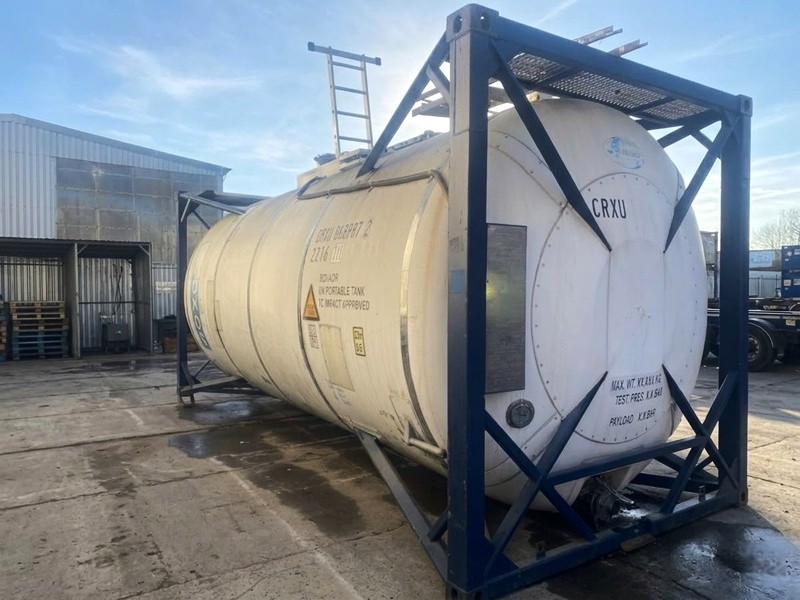
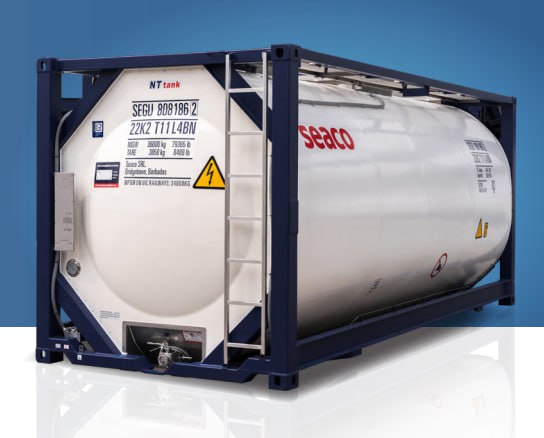
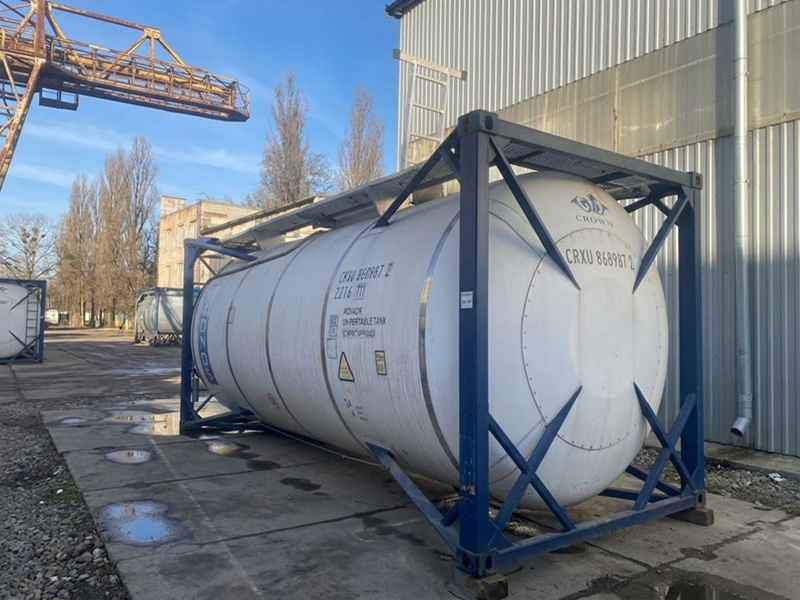
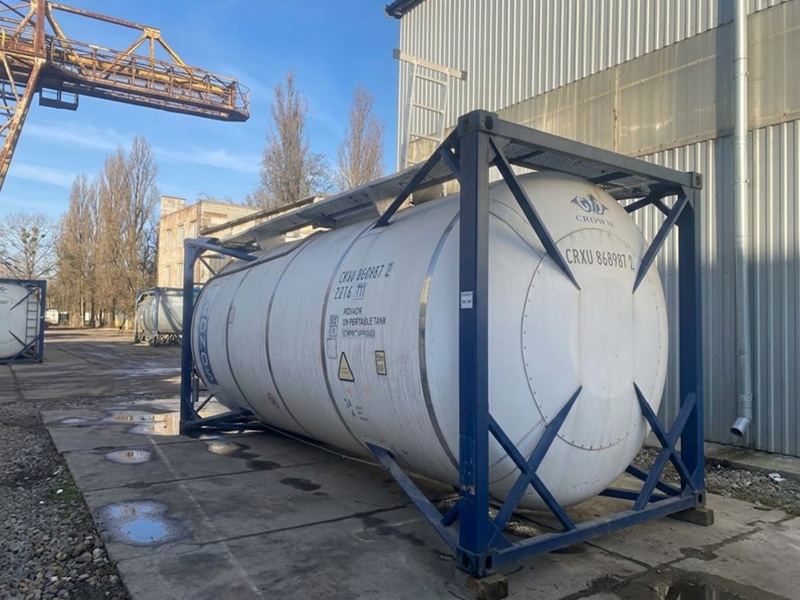
A tank container is a cistern designed for transporting different types of cargo, primarily in liquid and gaseous form. The tank-cistern is securely mounted in a steel frame that protects the tank container from various damages during transportation. Such containers are used for sea, land, and rail transport.
Varieties
Tank containers differ by purpose, and therefore different grades of steel and different wall thicknesses are used in their production. This is reflected in ISO code marking. A new analog of this marking method is the T-code system. For IMO 0 it corresponds to T0–T6, for IMO 2 – T7–T10, for IMO 1 – T11–T22, and for IMO 50 – T50.
- IMO 0 (wall thickness 2 mm). These cisterns are used to transport non-toxic liquids, such as water, juice, oils. A steam heating system may be used if necessary. Only non-hazardous cargo can be transported in them.
- IMO 2 (wall thickness 3–4 mm). Tank containers of this group are used for transporting low-hazard chemical substances, for example, petroleum products. They are equipped with thermal insulation and heating.
- IMO 1 (wall thickness 4–7 mm). Used for transporting hazardous chemical substances such as acids and alkalis, or for cargo under pressure. They have a bottom discharge system and thermal insulation.
- IMO. These containers are used for transporting gases, flammable substances, and substances that require a special pressure environment. They cannot be used for transporting other types of cargo.
In addition, SWAP BODY tank containers are becoming increasingly popular. Their design is more convenient and allows filling the empty space in the frame. The volume of such containers exceeds that of ISO cisterns.
Advantages of tank containers
Versatility. Cisterns are used for air transport, as well as sea, road, and rail transportation. Therefore, it is possible to create a route that saves the most time.
Ease of use. Tank containers do not require reloading, and the top and bottom discharge systems help reduce unloading time. In addition, customs seals can be installed and the cisterns transported without additional customs checks.
Safety. The design of tank containers is engineered to minimize the risk of emergencies with hazardous cargo. The metal body of the cistern reliably protects the cargo from any mechanical damage.
Reusable use. Tank containers are intended for long-term operation, with a service life of over 10 years. For intensive cargo transportation, purchasing such equipment will definitely pay off.
Technical failures
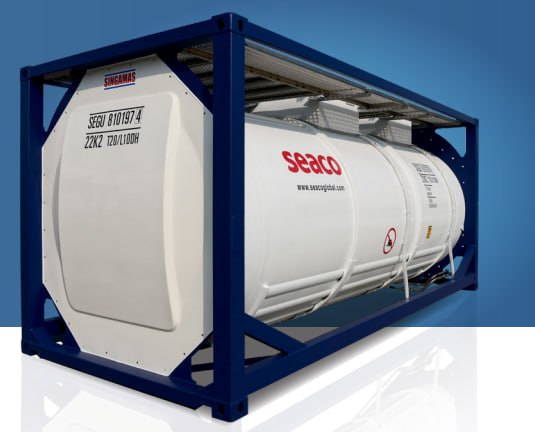
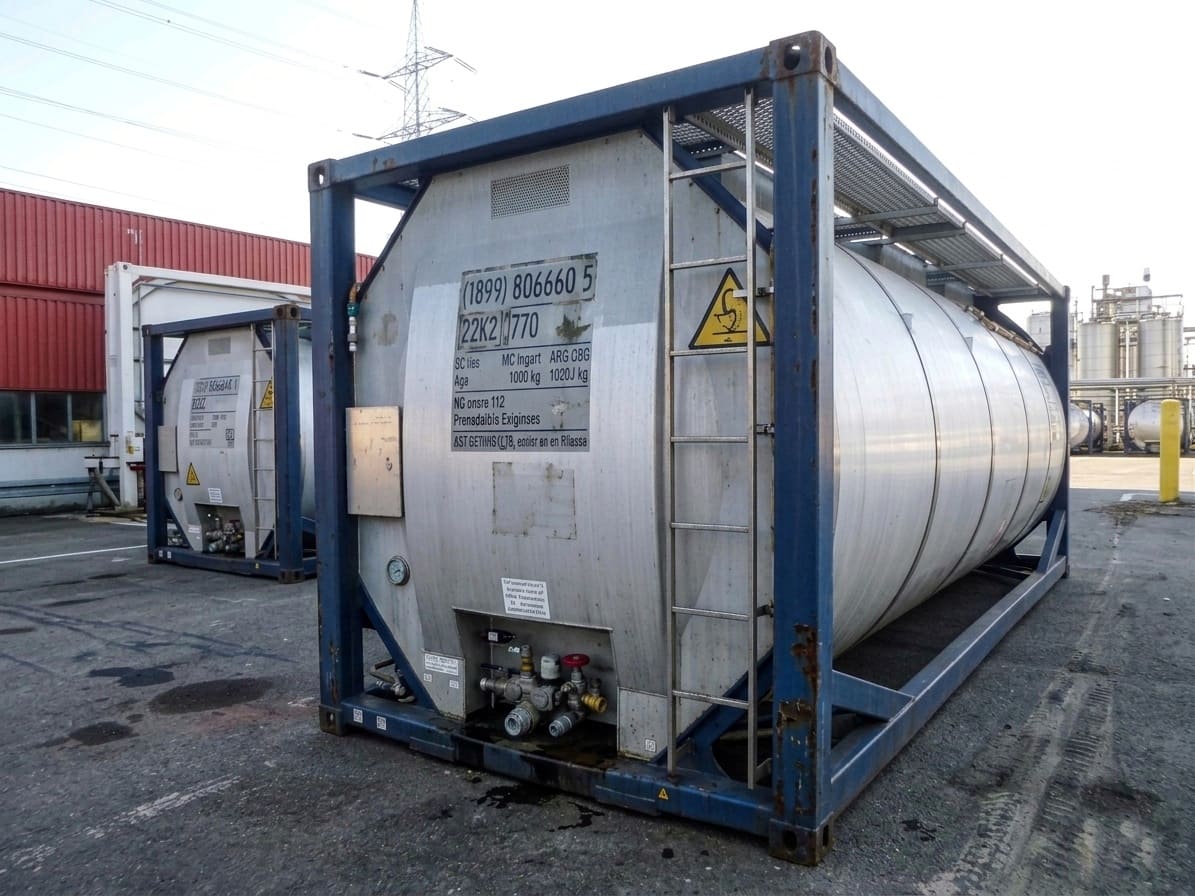
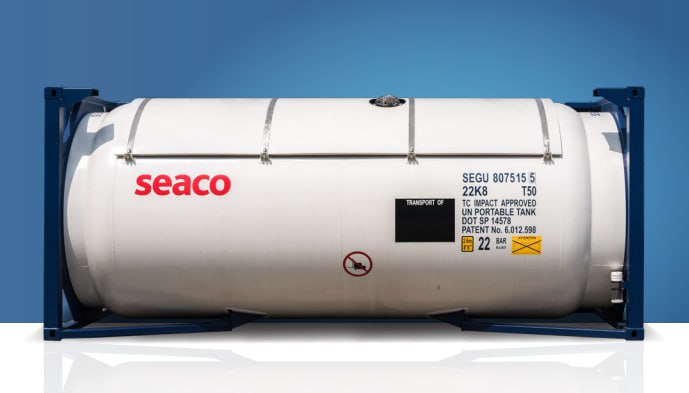
Premature failure of tank containers can be caused by:
- Incorrect steaming of systems, leading to discharge malfunctions.
- Over-tightening of manhole bolts, which causes wear of fasteners, gasket deformation, and microcracks in the bolts.
- Spills that damage the lining and erase the cistern's identification markings.
Maintenance
Unfortunately, despite all the advantages of tank containers, they still have certain drawbacks. The main ones are maintenance and disposal challenges.
The most common issue during cleaning is the presence of foreign odors. After each transportation, the tank must be cleaned, but detecting odor using technical methods is extremely difficult. Sometimes the receiving party tests the tank’s condition at its own discretion, but this can lead to financial issues. A unified national technological card defining cistern condition criteria could help solve this problem.
The lack of a well-developed service network also causes difficulties. Primarily, this results in long empty mileage, as depots may be located far from main transport routes. Moreover, the quality of repairs and service does not always meet required standards. Global Container Service is a certified service center for tank container maintenance and provides repair and maintenance of tank containers at the highest level.
Outlook
Thus, although the tank container market suffers from certain uncertainties and related challenges, tank containers themselves are a profitable and convenient means of cargo transportation. The advantages in functionality and safety when transporting hazardous cargo have been proven many times in practice. Therefore, tank containers remain competitive and have many prospects for further development.
Products by topic
Our Partners
Today, our company services a number of large linear companies operating in Ukraine. Such as:






























Want to stay informed?
Subscribe to our newsletter, and we'll notify you about new promotions, special conditions for partners and new clients, and market changes.