Transporting Dangerous Goods in Sea Dry Cargo Containers: Requirements and Regulations
The volumes of international trade are enormous; if you follow the statistics, you know that tens of thousands of tankers and large vessels are involved in maritime transportation. They use hundreds of thousands of containers, which means huge volumes of various types of cargo.
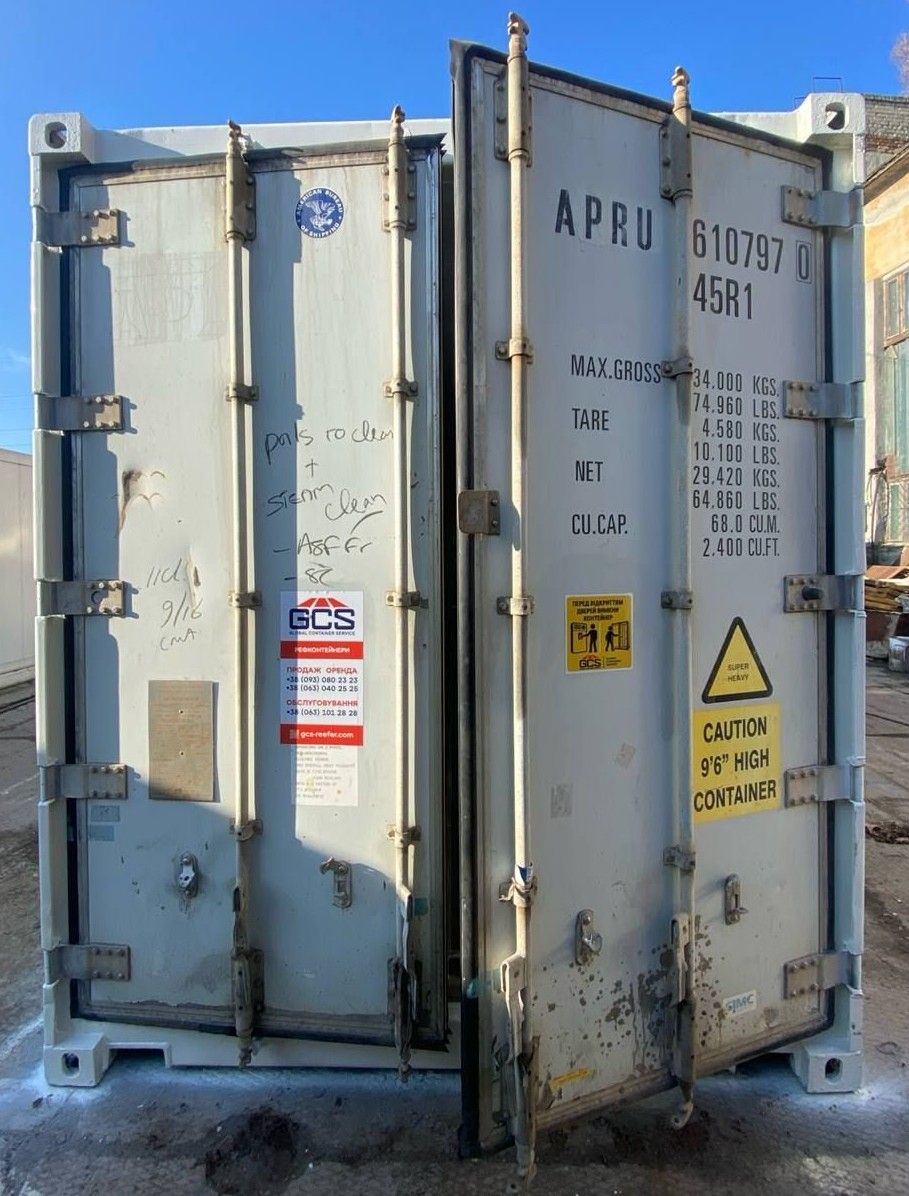
Among these goods, there are also dangerous ones that require special handling during transportation. For example, petroleum products, which can cause serious pollution if containers are damaged. If you plan to buy a sea container or are interested in renting a reefer container, it is important to know the specifics of transporting dangerous goods and the safety precautions. These are regulated by the IMDG Code (International Maritime Dangerous Goods Code).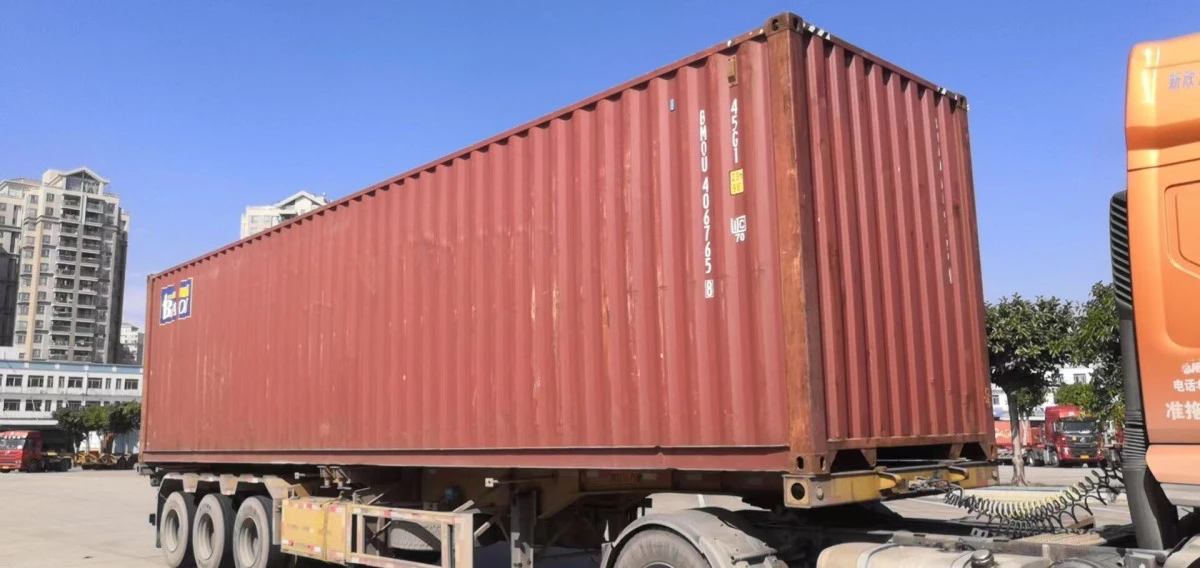
Main Requirements and Standards of the IMDG Code
Several key principles for handling dangerous goods:
- Dangerous goods may be loaded only onto a specially equipped vessel with a certificate of seaworthiness. This confirms that the tanker is fully operational and ready to receive and transport cargo.
- Each type of dangerous cargo has specific recommendations for securing. For example, explosives must be placed in specially designated compartments, without contact with substances that could trigger detonation. Cargo that may emit vapors must be kept in specially ventilated compartments and tanks.
- A vessel transporting dangerous goods must have all necessary safety equipment, such as fire extinguishers, protective clothing, respirators, etc.
- The vessel must maintain a temperature regime suitable for the specifics of the dangerous cargo.
- In one voyage, incompatible cargoes may also be transported. In such cases, separate and completely safe conditions must be ensured for each type of cargo. Cargo compatibility is determined using special tables in the regulations.
- Each tanker transporting dangerous goods must have a copy of the IMDG Code. It is used as a working document containing all key requirements and parameters important for the transportation and storage of specific types of cargo.
How to Properly Label Dangerous Goods
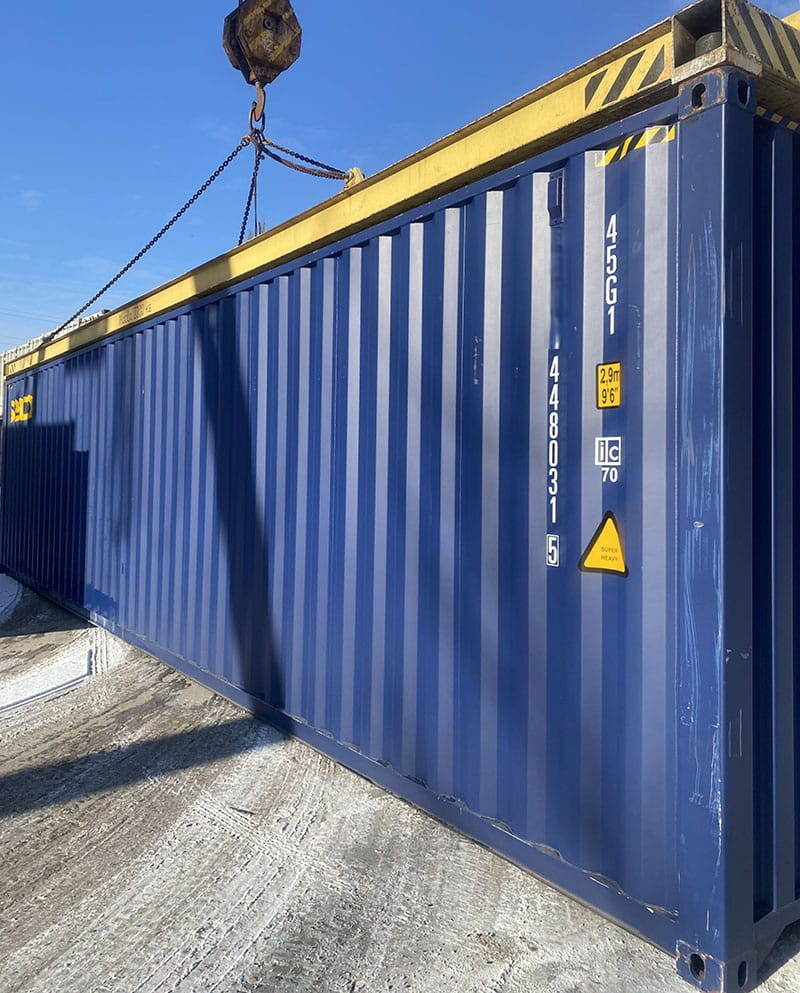
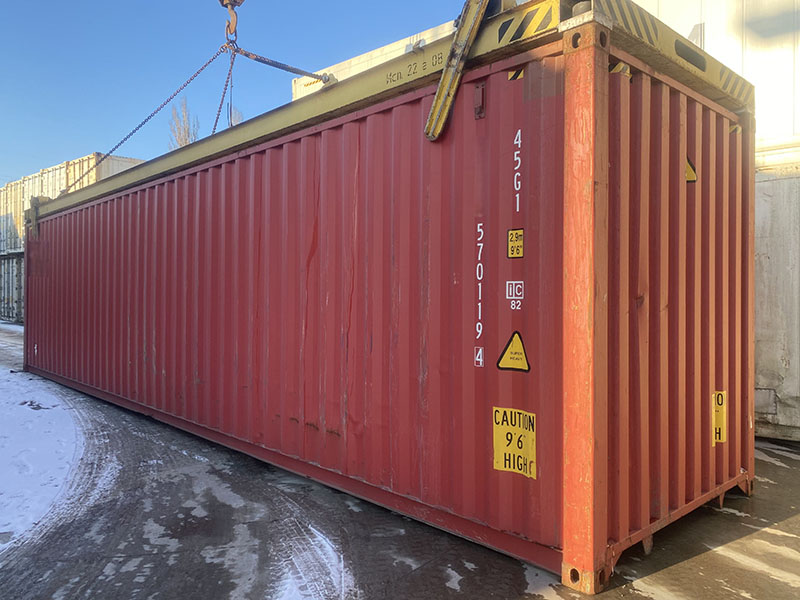
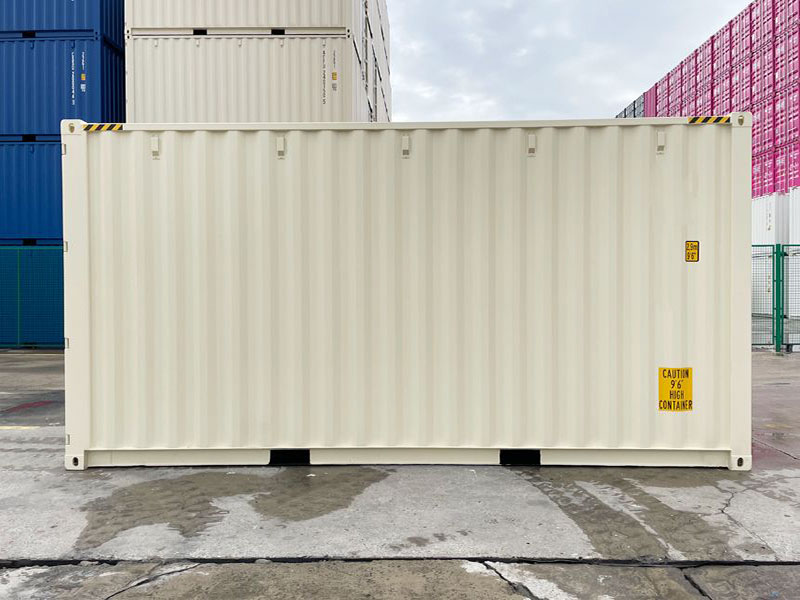
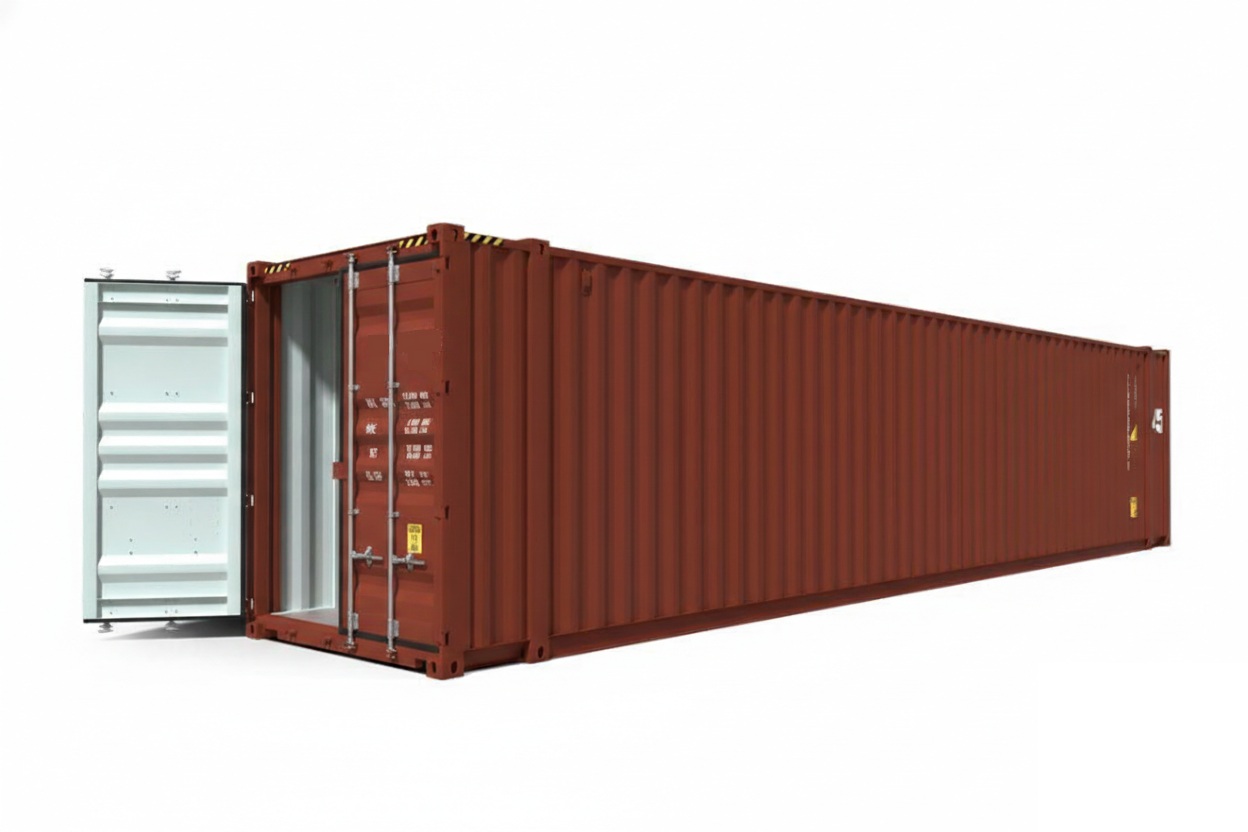
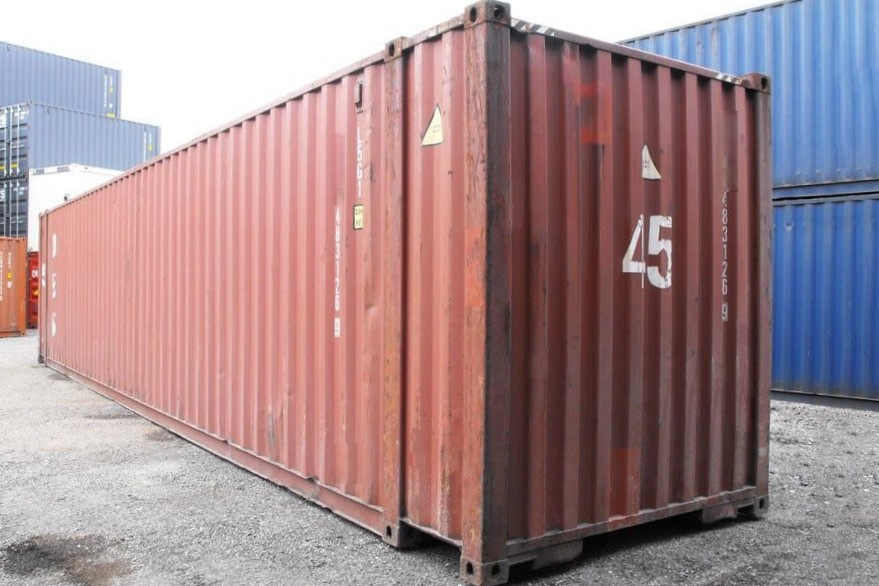
If you are planning to purchase 20-foot sea containers or 40-foot sea containers for transporting dangerous goods, it is important to know what requirements exist for their proper labeling:
- The specification must include the name of the cargo.
- The container body and packaging must have all hazard labels.
- Labeling must be present on every packaging unit.
- Label materials must withstand up to three months at sea.
You must also have the following documents:
- a list of dangerous goods;
- a statement confirming that all transportation rules have been followed;
- a cargo plan.
If you need to buy a reefer container or maintain one, GCS can help you with any tasks related to maritime transportation and cargo storage.
Products by topic
Our Partners
Today, our company services a number of large linear companies operating in Ukraine. Such as:































Want to stay informed?
Subscribe to our newsletter, and we'll notify you about new promotions, special conditions for partners and new clients, and market changes.