Technological Innovations in Refrigerated Containers in 2026
Maritime transport and container shipping are one of the pillars of global trade. This industry ensures the transportation of more than 90% of product categories worldwide. COVID-19, which is now perceived as something distant, eventually accelerated the growth of e-commerce. And this became a stimulus for container shipping as well.
The industry began to change intensively. Innovations also drive the desire to reduce environmental impact. If you plan to buy a refrigerated container or other similar equipment for transportation, it is important to understand what changes are ahead.
Let’s look at which technological innovations will have the greatest impact on maritime shipping in 2026 and beyond.
Robotic Tools and Automation
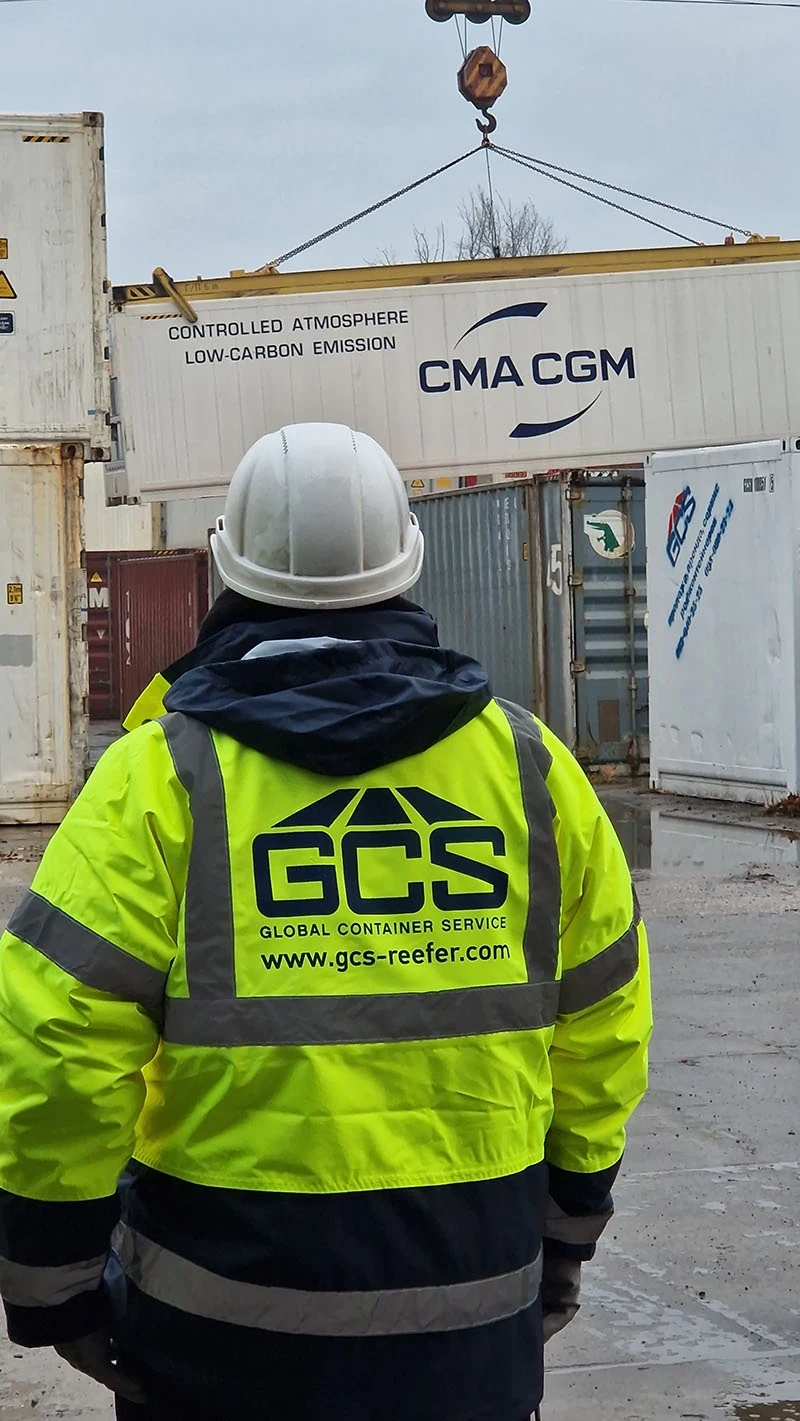
Robotics and automation of work processes help eliminate heavy, monotonous, and even dangerous tasks for people. An increasing number of terminals use automated cargo-handling systems.
This allows all operations to be performed faster, reduces the risk of errors and the human factor. Moreover, it shortens the waiting time of vessels at anchor. Such systems are already operating in major ports of the USA, Canada, China, India, European countries, and Australia.
Big Data and Analytics in Container Shipping
Supply chains are not just infrastructure. They generate huge volumes of data. This data is collected and analyzed to identify patterns and improve workflows in freight transportation. Such information can be used to solve several tasks:
- demand forecasting;
- route optimization to reduce consumption and lower the carbon footprint;
- reducing the risk of accidents;
- increasing efficiency and finding solutions for additional profit in container shipping;
- reducing costs.
IoT technologies also help track the route of each specific container, cargo parameters, and its condition. Sensors can be integrated into different container models, and power can be supplied via gensets.
All this together makes container shipping one of the most technologically advanced fields. If you want to work in this industry, you need not only to buy a reefer container, but also clearly understand how such equipment will be integrated into the complex, high-tech infrastructure of international container transportation.
Internet of Things (IoT) for the Transportation Sector
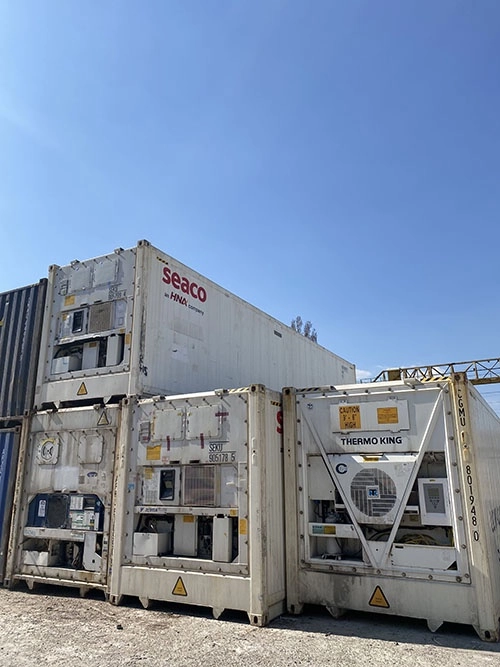
Sensors are placed on trucks, ships, and integrated into navigation systems and other equipment. This equipment transmits data on the location of cargo and transport, speed of movement, and routes. Combined with GPS and satellite data, this information is used for cargo tracking and planning operations in the destination port.
IoT technologies also play an important role in forecasting and planning maintenance schedules. This helps reduce downtime and save resources by avoiding labor-intensive repairs.
Modern Monitoring Systems
In maritime shipping, modern high-tech monitoring systems are used. They are designed for continuous real-time monitoring of the environment.
Based on the collected data, detailed maps and ocean models are created. This information also allows notifying ship operators about environmental threats and other emergencies.
With the help of this information, it is possible to minimize the risks of pollution and accidents, and therefore reduce unforeseen costs for emergency repairs.
Artificial Intelligence Tools
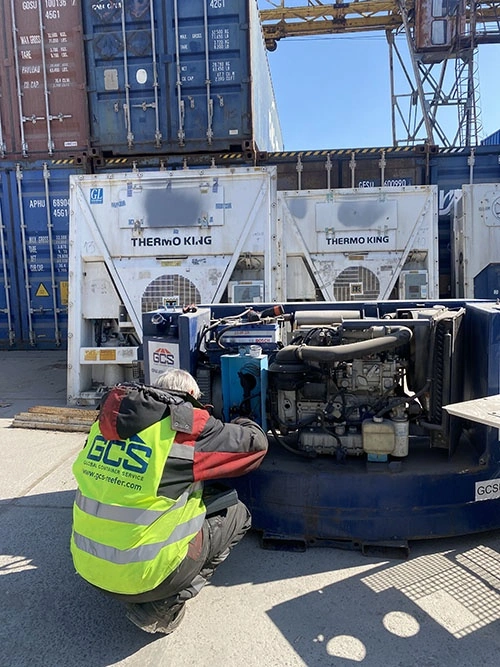
AI-based tools are being implemented in more and more industries. In many cases, they become indispensable. AI-based software helps specialists calculate vessel arrival times, monitor water and air parameters, and measure underwater noise levels.
Implementing AI elements is a step toward the transition to smart ports. Such complexes will combine 5G communication, big data technologies, the Internet of Things, and other cutting-edge solutions.
Digital technologies are now being actively implemented in the ports of Los Angeles, Rotterdam, Le Havre, Hamburg, Shanghai, Singapore, and others. New technologies ensure transparency and resilience of all processes.
Conclusion
Innovations in container shipping and container design are closely connected. As a rule, they relate to more efficient use of equipment, monitoring its condition, and diagnostics.
GCS will help you use your container equipment to its full potential. Reefer container rental, purchase, and maintenance — we assist with everything.
Cooperation with GCS will make your transportation business productive and modern. Read our blog and choose 20- and 40-foot sea containers for your business.
Products by topic
Our Partners
Today, our company services a number of large linear companies operating in Ukraine. Such as:





























Want to stay informed?
Subscribe to our newsletter, and we'll notify you about new promotions, special conditions for partners and new clients, and market changes.