Sea Freight Container Standards
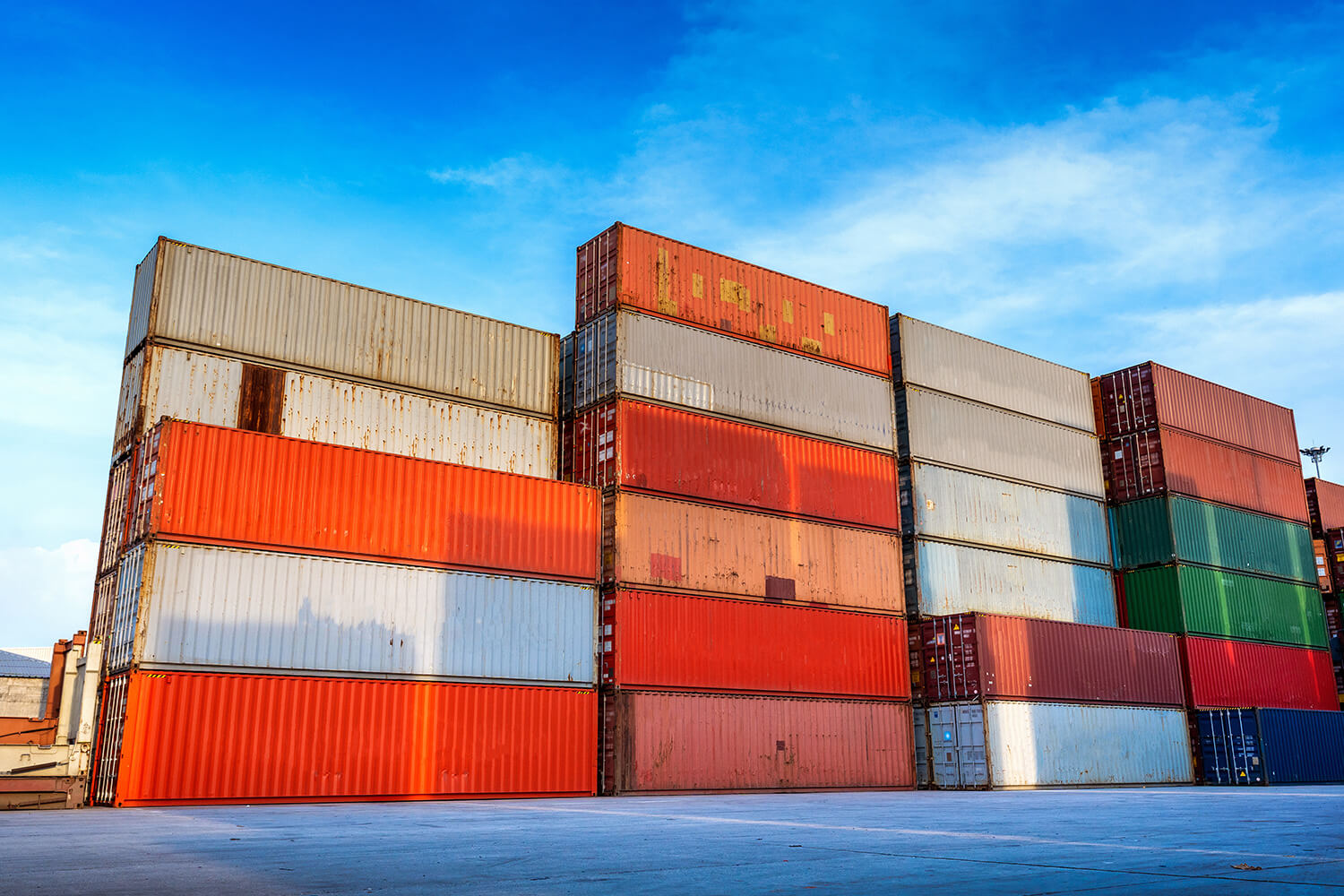
During sea transportation, cargo must be protected. The cost-efficiency and practicality of its transportation are important. Because of this, strict requirements are applied to marine cargo containers. Most of these requirements are described in the international standard ISO-830 Freight containers. Individual states may also develop their own standards for containers used in maritime freight transportation. In Ukraine, the commonly accepted ISO standards are used.
Container Design Requirements
To ensure that the use of marine containers is trouble-free, their design must provide:
- convenience, reliability of transportation, and preservation of transported goods. For this purpose, the container may include various devices for securing the cargo in a fixed position;
- the ability to stack goods in several tiers — this is necessary to save space in the container and, as a result, reduce transportation costs;
- accessibility for cleaning, washing, repair work, customs, and technical inspection. The container must not contain hidden compartments. Its design must ensure cargo protection during unloading — the cargo may be sealed, and other security measures may be applied.
Since sea transportation involves the container’s contact with water, all structural elements made of metal must be corrosion-resistant. If the container has a wooden floor inside, it is made of moisture-resistant wood or plywood treated with special coatings.
When the container is tilted, water must be able to drain toward the doors. At the same time, the design must provide the possibility for a forklift to enter the container via a special ramp.
Container Service Life Requirements
According to standards, a container can be used for maritime freight transportation for 10–15 years after manufacturing. In practice, the service life of a marine cargo container may be extended or shortened. This depends on the following factors:
- operating conditions — how often the container is used, what types of cargo are transported, and the specifics of transportation routes;
- compliance with standards for metal treatment to protect against corrosion;
- regular technical inspections.
If preventive maintenance is performed on time, the container can last much longer.
Our Partners
Today, our company services a number of large linear companies operating in Ukraine. Such as:






























Want to stay informed?
Subscribe to our newsletter, and we'll notify you about new promotions, special conditions for partners and new clients, and market changes.