Sea and Rail Containers: Similarities and Differences
Container equipment catalogs include categories of sea and railway containers. They differ significantly — not only in purpose. To help you better navigate the specifics of the equipment, let’s look at some important characteristics.
In this article, you will learn:
- What types of sea containers exist?
- What types of railway containers are available?
- How does a sea container differ from a railway container?
Let’s answer each question step by step. If you want to buy or rent a dry container, this article will help you navigate the container types in our catalog, where you can buy a 40-foot container and other types of shipping units.
What is a sea container? Types of sea containers
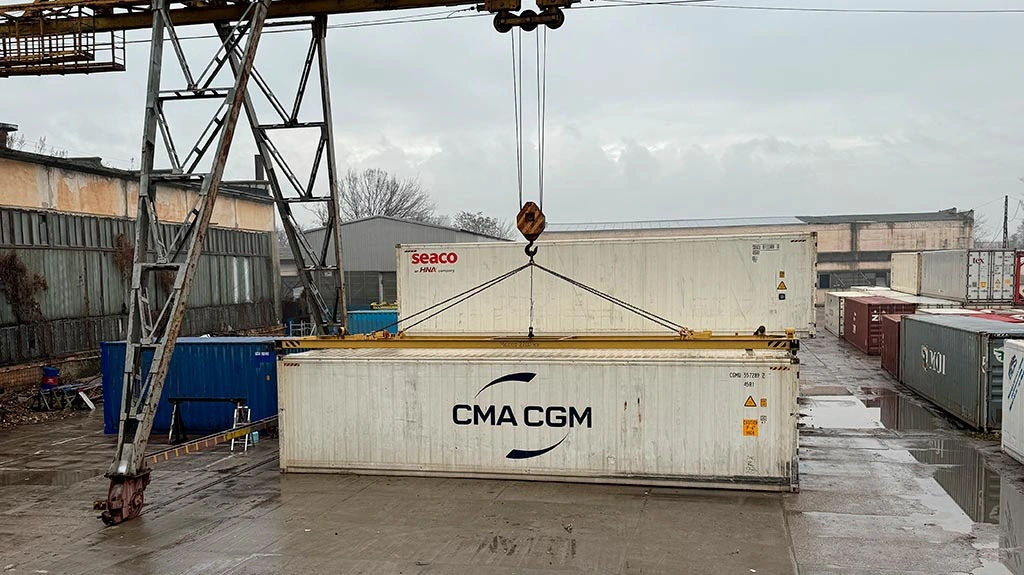
Sea containers are a type of packaging used for cargo transportation by sea and other modes of transport. Their main feature is that they provide more reliable protection against external factors, including seawater that may get onto the container during transportation.
These containers are produced according to international standards to ensure ease of use in any country.
Main types:
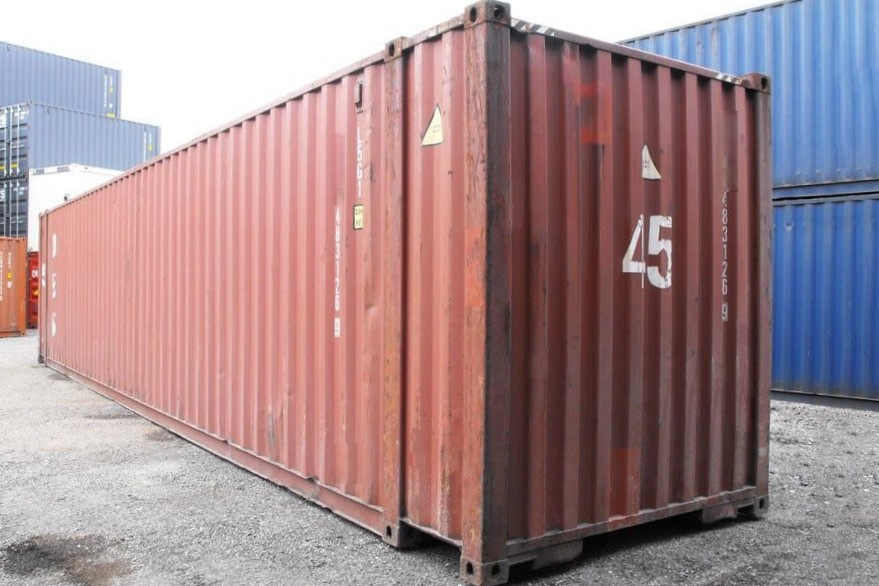
These categories account for 99% of all shipments. Containers of 10 and 45 feet are used in only 1% of cases.
What are railway containers? Types of railway containers
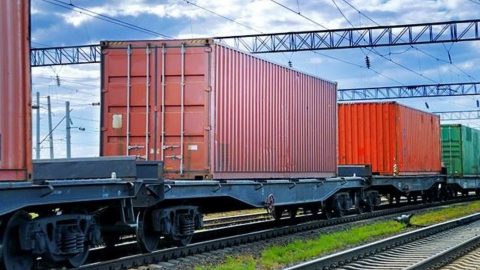
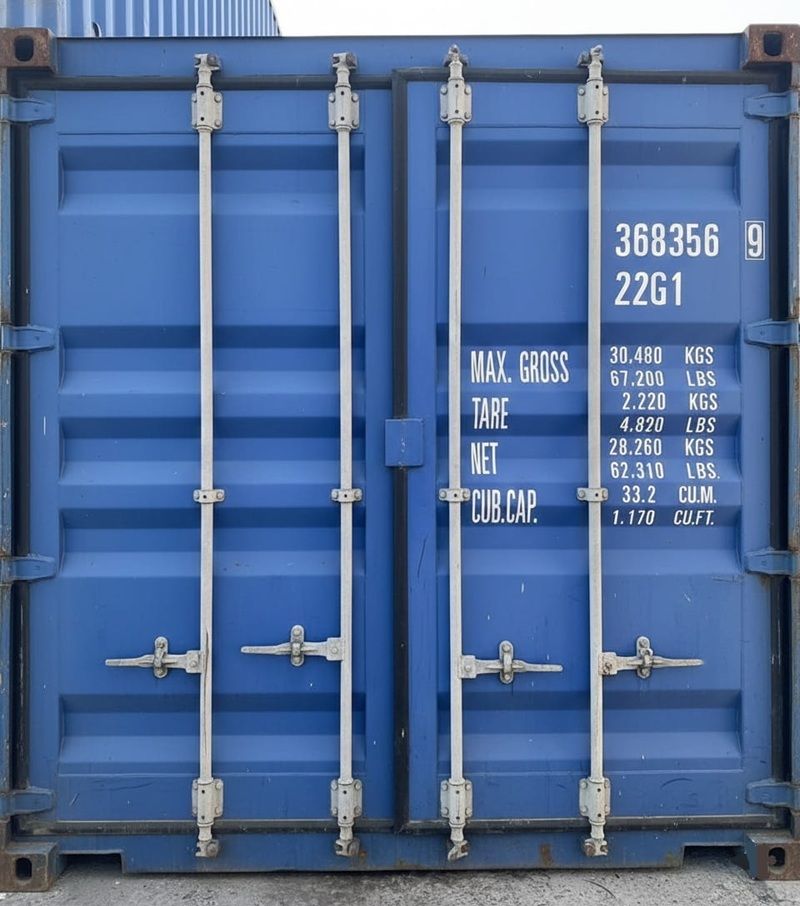
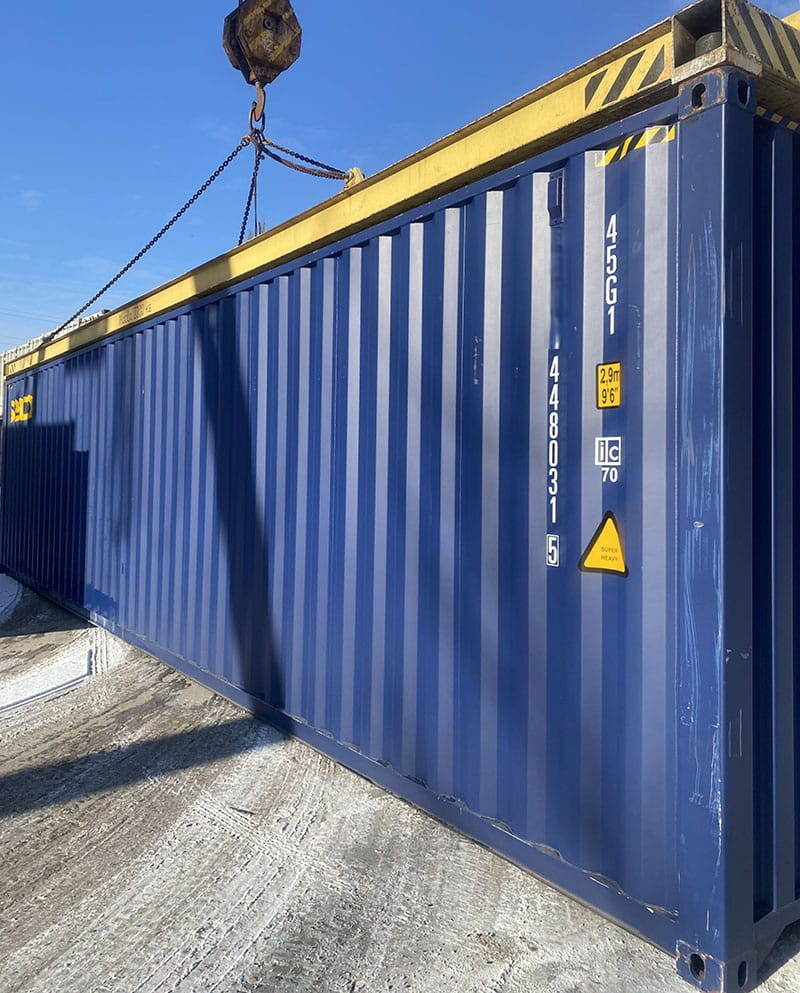
Railway containers are packaging used for transporting cargo by rail. They are metal structures with a strong frame. The containers are equipped with double swing doors. The rigidity of this type of container allows them to be stacked in several levels.
Railway containers are most often classified by capacity:
- small-tonnage (up to 3 tons);
- medium-tonnage (from 3 to 10 tons);
- large-tonnage (over 10 tons, with lengths of 20 or 40 feet).
Containers from the last category are the ones commonly referred to as sea containers, but they are also widely used for rail transportation.
Differences between railway and sea containers: conclusions
In fact, sea containers are more universal, although less diverse in size. Therefore, for transporting large volumes of cargo by sea with further reloading onto rail transport, it is better to buy 40-foot sea containers. They provide maximum mobility and capacity.
Products by topic
Our Partners
Today, our company services a number of large linear companies operating in Ukraine. Such as:































Want to stay informed?
Subscribe to our newsletter, and we'll notify you about new promotions, special conditions for partners and new clients, and market changes.