How to choose a refrigerated container?
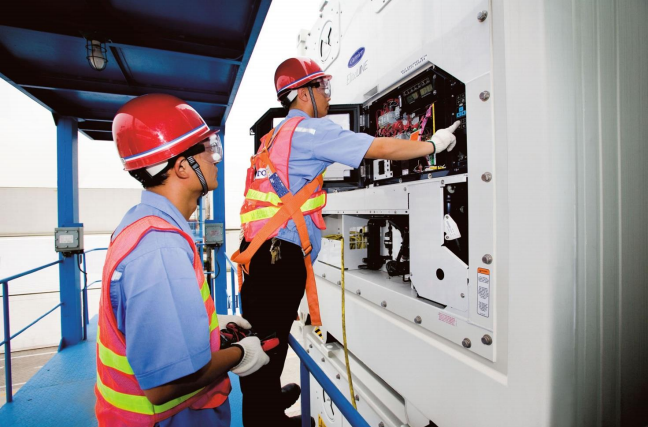 If your business is related to storing temperature-controlled cargo, sooner or later you will face a situation where a refrigerated warehouse is required. If you have additional financial resources to design and implement such a costly project, then of course you will not consider a reefer container as an option. But if you want to save on the design, installation, and setup of a stationary refrigerated warehouse, then you should consider purchasing a reefer container.
Another advantage of a reefer container is its relatively low energy consumption. It is designed to operate in any weather conditions and can maintain cargo temperature from -30°C to +30°C. This is another benefit in favor of the reefer compared to a standard cold room. A cold room designed for freezing, when operating in medium and high temperature modes, will wear out faster and consume more electricity. Therefore, by purchasing a reefer container, you get a reliable unit designed to work in an active environment.
If you have weighed all the pros and cons and concluded that a reefer container is what you need, then you only need to decide (based on available installation space and cargo volume) on the size. There are 20-foot containers, 40-foot containers, and 40-foot high-cube containers with increased capacity. There are also High Cube Pallet Wide 45-foot containers (82 cubic meters). However, it should be noted that the share of such containers on the market is very small. The distinctive feature of these container types is their increased capacity. Up to 32 Euro pallets can be loaded into such a container.
You have decided to purchase a container, but now you must choose the year of manufacture and its technical condition. If you have the opportunity and desire to invest in a new reefer, then there is no need to think too much — just choose the manufacturer you prefer. As a rule, there are no significant differences in technical parameters and performance among the main market players of reefer containers. But often the secondary market offers models that have been decommissioned by shipping lines. This does not mean the container is defective or that instead of scrapping it, the companies decided to sell it second-hand. Many companies lease containers for about 7 years, and after this period they simply renew their fleet. In recent years, due to the decline in global trade turnover, reduced maritime shipments, and lower transportation costs, companies are in no hurry to renew their container fleets. This leads to the decommissioning of containers that have been in service for 10 years or more.
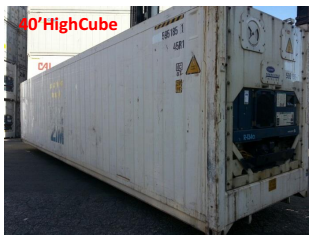
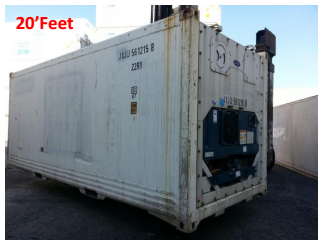
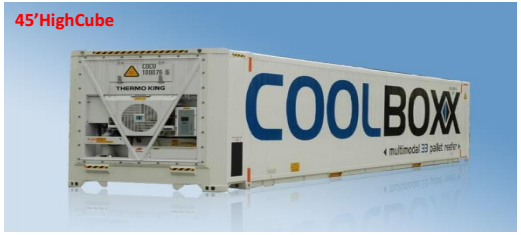
You should not consider various patches, dents, and scuffs on the body as a definite sign that the reefer is unsuitable for you. Keep in mind that before entering the secondary market, it went through many loading and unloading cycles and was transported between continents for years. It is important that the body’s tightness has not been compromised and its thermal insulation properties are preserved. If delamination of the body panels (both internal and external) is detected, note that this may lead to increased energy consumption.
And don’t forget to consider the fact that when purchasing, you must ensure the seller provides you with a warranty. Moreover, a simple verbal warranty or even one specified in documents does not always guarantee high-quality and timely service. Make sure the seller truly has a strong material and technical support base, a spare parts warehouse, and qualified, trained, and certified personnel.
Our Partners
Today, our company services a number of large linear companies operating in Ukraine. Such as:






























Want to stay informed?
Subscribe to our newsletter, and we'll notify you about new promotions, special conditions for partners and new clients, and market changes.