How to insulate and paint a shipping container?
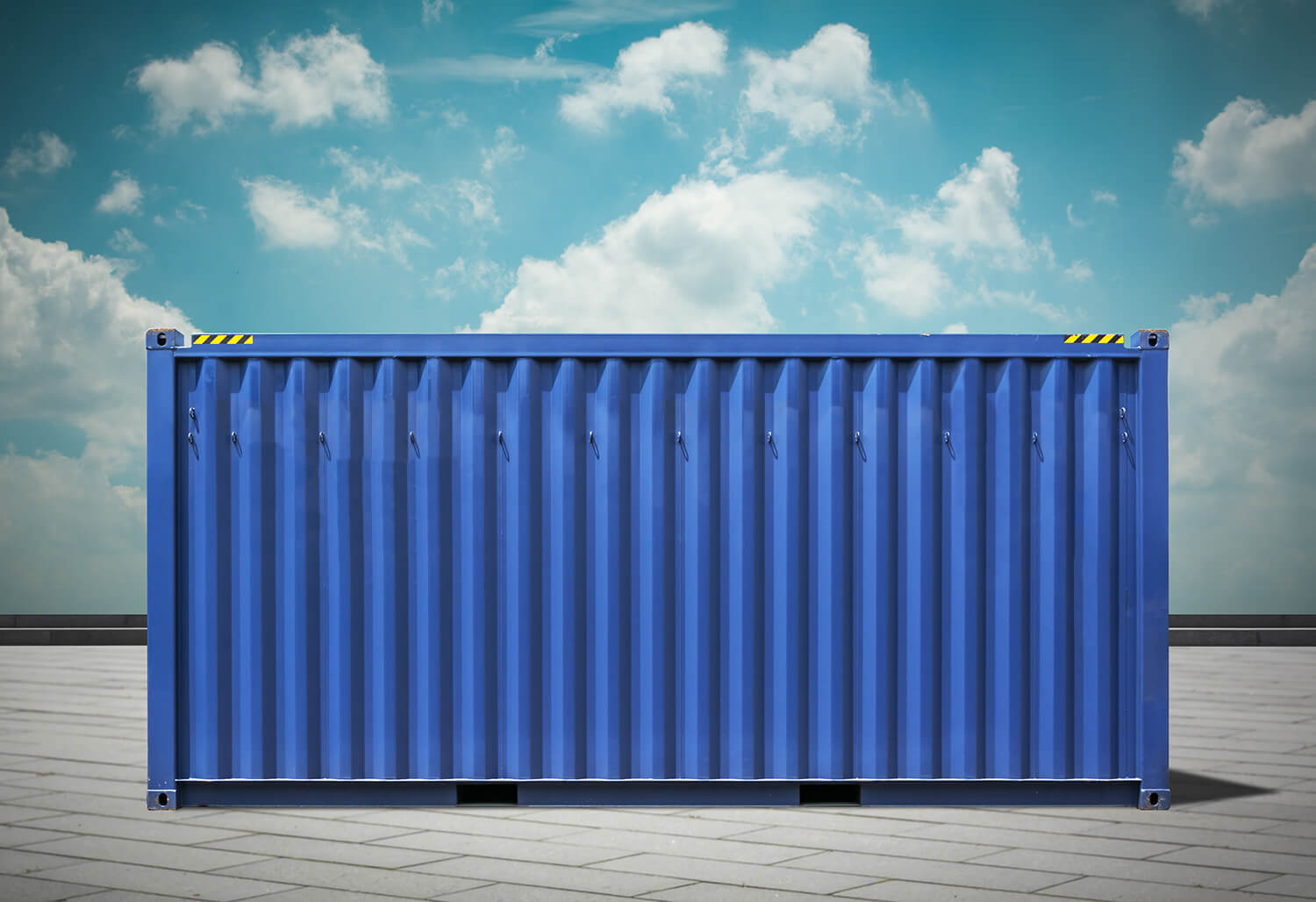
Modern architecture offers many unconventional solutions in the residential sector, and one of them is building houses from shipping containers. This trend is called cargo architecture and is gaining popularity worldwide. Containers are used to build standard and multi-story houses, villas, offices, shopping centers, campuses, and stadiums – all quickly, cheaply, and efficiently. Therefore, we recommend checking out the dry containers catalog to choose the right option for your project. If you need a container for a limited time, a 40-foot shipping container rental is a convenient solution for temporary storage or construction needs. Also, if you have an unused container, our company provides buyback of shipping containers.
Main parameters of shipping containers
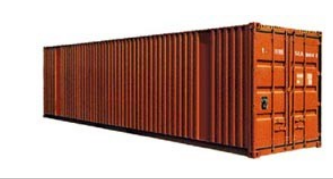
For construction, shipping containers with the following dimensions are most often used:
- length – 12 m (40-foot container);
- width – 2.4 m;
- height – 2.5 m.
The area of such containers is 29 m². An empty container weighs approximately 3700 kg.
Since container cargo is transported at sea, stacking containers 8–10 high, they are designed with increased strength and equipped with additional stiffening ribs. Another feature is almost complete watertightness to protect cargo from water. These properties allow building houses with welding and make the structures earthquake-resistant.
Insulation of container walls and ceiling
Although a container house can be built in almost any climate, due to the material it requires proper thermal insulation. For concrete buildings, insulation is applied externally because of material porosity. Containers have no porosity but are prone to corrosion and have high thermal conductivity. Therefore, condensation occurs either inside or on the external surface. Considering the construction features, insulation is applied internally using:
- polystyrene foam or extruded polystyrene (XPS);
- hydro-extruded polystyrene;
- polyurethane;
- glass wool or stone wool.
The insulation layer must be laid carefully, preventing contact between the steel shell and the indoor air. A vapor barrier membrane is installed on top of the insulation and fastened to the frame with a stapler. Next comes the finishing layer: most often drywall and a stretch ceiling.
A properly insulated container resembles a thermos, easily withstanding temperatures of -30 °C and below.
Two methods are used for fixing insulation boards:
- Creating a frame with cells for the boards – mark the area so that the cell width matches the board width. Then fix the wooden frame and insert the boards tightly.
- Direct attachment to the metal surface – clean and moisten the wall with water, apply polyurethane sealant (mounting foam) around the board perimeter, press it, and hold for at least 5 minutes. The sealant fully cures within 24 hours.
The second method is used only for walls. Ceilings and floors should not be insulated this way, as the insulation will quickly fail under load.
Insulation of container floor
The floor also requires insulation. Traditionally, the following are used:
- polystyrene foam or XPS laid in a frame;
- lightweight concrete screed.
Mineral wool should not be used for floor insulation, as it absorbs water and may cause corrosion.
Also, when installing fireplaces or stoves, areas where hot surfaces contact polystyrene or foam must be insulated with stone wool due to their low fire resistance.
Painting a shipping container
Container painting for house construction has two main purposes:
- giving the structure an aesthetic appearance;
- protecting the metal from external influences.
Two-component, moisture-resistant exterior paints are used, which should also be non-combustible and environmentally friendly. Color plays an important role, as residential spaces require individuality, and the color defines it.
Considering the area of work, machine application using an economical airless method is usually applied. It is recommended to apply paint in 2–3 layers – this slightly increases costs but significantly improves protective properties.
The painting process generally includes the following steps:
- Removal of old coating by sandblasting or manual methods.
- Thorough degreasing of the surface.
- Applying primer.
- Painting.
Final treatment with protective varnish is also possible. Even with all the steps listed, building a container house takes a maximum of 2–3 months, and with minimal finishing – 2–3 weeks.
Our Partners
Today, our company services a number of large linear companies operating in Ukraine. Such as:































Want to stay informed?
Subscribe to our newsletter, and we'll notify you about new promotions, special conditions for partners and new clients, and market changes.